

South Carolina keeps showing up on serious retirement shortlists, and not by accident. You’re looking at a state where the cost of living sits roughly 7–9% below the national average, with a median home price around $292,000 compared to over $400,000 nationally. Add in no tax on Social Security, meaningful deductions on retirement income, and some of the lowest property taxes in the country, and the financial case becomes hard to ignore. But numbers only go so far. What matters is how those numbers translate into day-to-day life, and here, the state delivers a balanced, realistic option for retirees.
Lower Cost of Living That Actually Holds Up

Affordability is not just a headline here—it shows up across the categories that matter. South Carolina’s overall cost index sits below the U.S. average, and housing remains the biggest advantage, with a statewide median around $292,000 versus roughly $412,000 nationally. That gap translates directly into lower monthly costs, whether you buy or rent. Utilities and groceries also trend slightly below national averages, helping stabilize fixed retirement incomes. While prices have risen in recent years, the state still ranks among the more affordable options in the country, especially compared to coastal retirement hotspots. For retirees, that consistency matters more than short-term price fluctuations.
Tax Advantages That Protect Retirement Income
Taxes can quietly reshape your retirement budget, and South Carolina gets this part right. Social Security benefits are not taxed at the state level, and retirees can deduct up to $15,000 per person in other retirement income, including pensions and withdrawals. For couples, that can double, significantly reducing taxable income. On top of that, property taxes rank among the lowest in the U.S., with additional homestead exemptions for those 65 and older. There is no estate or inheritance tax either. You’re not eliminating taxes entirely, but you are reducing the long-term drag on your savings in a way that many higher-cost states cannot match.
A Housing Market That Still Offers Real Options
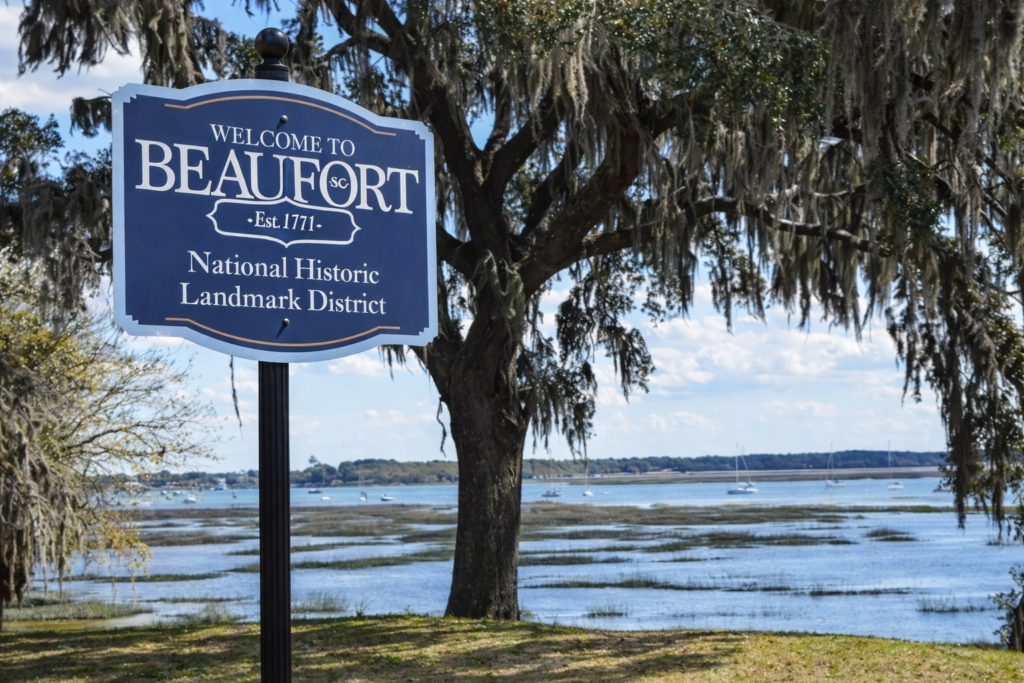
Housing often decides whether a retirement plan works. In South Carolina, you still have room to choose. Coastal areas like Charleston and Myrtle Beach command higher prices, but inland cities such as Columbia offer significantly lower entry points, often near or below $270,000. Suburban and smaller-town markets provide even better value, with larger homes and land at prices that would barely cover a small condo in higher-cost states. That flexibility lets you match your housing decision to your lifestyle rather than your budget alone, which is exactly what most retirees are looking for.
Climate That Reduces Seasonal Costs and Stress
South Carolina’s climate works in your favor over time. Winters are mild, which means lower heating costs and fewer disruptions compared to northern states. Summers are hot and humid, which can raise electricity bills, but overall energy use remains predictable across the year. More importantly, the climate supports an active lifestyle year-round—whether that’s walking, golfing, or simply spending time outdoors. That consistency matters more than occasional extremes. For retirees, fewer weather-related limitations often translate into better physical activity, which carries long-term health and financial benefits.
Growing Healthcare Access With Mixed Trade-Offs
Healthcare access is a key consideration, and South Carolina sits in the middle of the pack nationally. The state continues to expand medical infrastructure, with improving access to hospitals and specialists, especially in larger metro areas. Costs are generally moderate, with average doctor visits ranging between $110 and $130 and insurance premiums staying below many national benchmarks. That said, rural access can still be limited, and the state ranks lower overall in healthcare quality compared to top-tier states. The decision often comes down to choosing the right location within the state rather than the state itself.
Lifestyle Variety Without Leaving the State

One of South Carolina’s strongest advantages is range. You can live on the coast, in a historic small town, or in a mid-sized city with access to healthcare and services. Coastal regions offer beaches and golf communities, while inland areas provide quieter, lower-cost living with proximity to urban centers. Towns like Greer and other smaller communities continue to attract retirees who want a slower pace without losing access to amenities. This variety means you’re not locked into one type of retirement lifestyle—you can adjust as your needs change over time.
Strong Migration Trends Signal Long-Term Appeal
Retirees are not just considering South Carolina—they’re actively choosing it. Recent data shows the state has experienced some of the largest net gains in retirees in the U.S., driven by affordability and tax advantages. That kind of migration matters because it supports infrastructure growth, healthcare expansion, and community development tailored to older residents. It also signals long-term stability. You’re not moving into a declining market—you’re entering one that continues to attract people with similar priorities, which helps maintain property values and services over time.
A Balanced Retirement Option, Not a Perfect One
South Carolina does not check every box, and that’s part of its appeal. Healthcare rankings are not top-tier, coastal areas come with hurricane risk, and some regions remain car-dependent. But when you look at the full picture—lower costs, tax advantages, housing flexibility, and lifestyle variety—it offers a realistic, sustainable retirement option. You’re not paying for a brand name destination; you’re choosing a place where your money stretches, your options stay open, and your day-to-day life remains manageable. For many retirees, that balance is exactly what makes the difference.
