
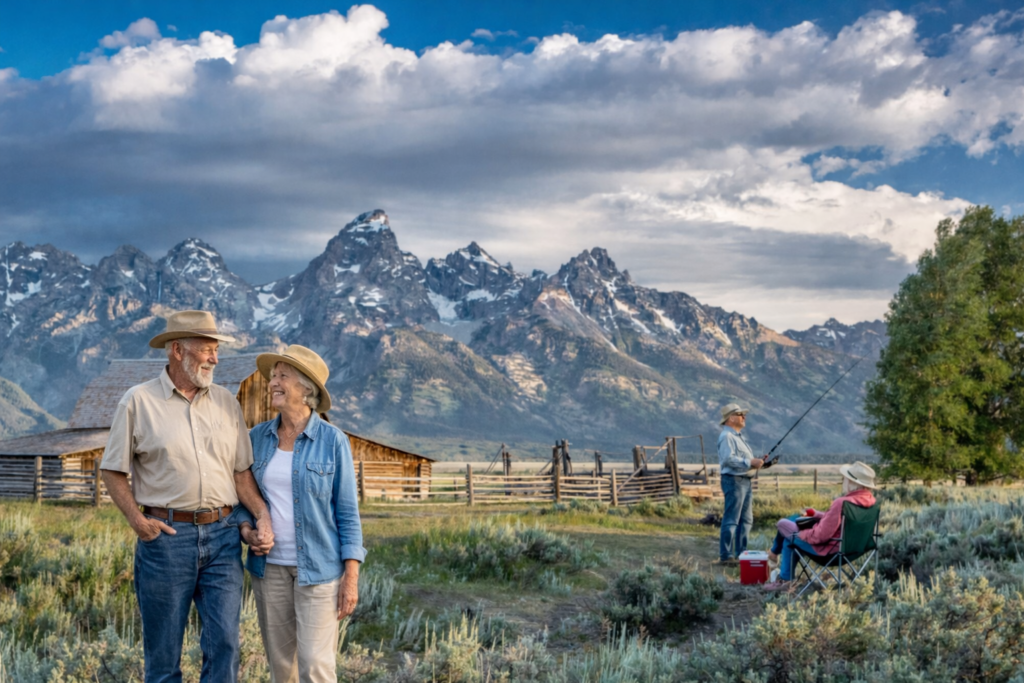
Wyoming keeps showing up on serious retirement shortlists, and not by accident. You’re looking at a state with no income tax, no tax on retirement income, and a cost of living below the national average, which directly impacts how far your savings go. Housing remains relatively affordable outside high-end pockets like Jackson, and property taxes are among the lowest in the country. Add strong health indicators among older adults and a slower, low-density lifestyle, and the appeal becomes clear. For retirees focused on financial control, space, and long-term stability, Wyoming offers a practical, numbers-backed case worth considering.
Tax Advantages That Protect Your Retirement Income
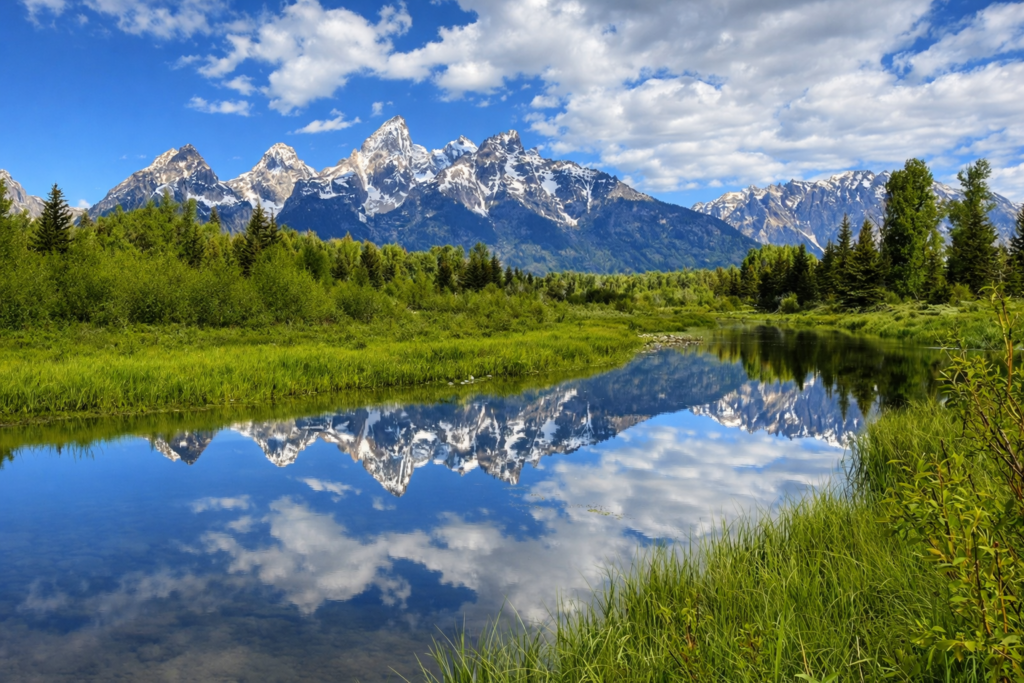
Wyoming stands out immediately for one reason: you keep more of what you earned. The state has no personal income tax, meaning pensions, 401(k) withdrawals, IRAs, and Social Security benefits are not taxed at the state level.
That matters more than people realize. In higher-tax states, retirees can lose thousands annually just from income taxes alone. Wyoming eliminates that entirely. On top of that, there is no estate or inheritance tax, so wealth transfers remain intact.
Sales tax sits at about 4%, with a modest combined rate around 5.4%, which is lower than many states.
For retirees living on fixed income, this kind of tax structure is not just helpful—it’s decisive.
Lower Cost of Living That Actually Holds Up
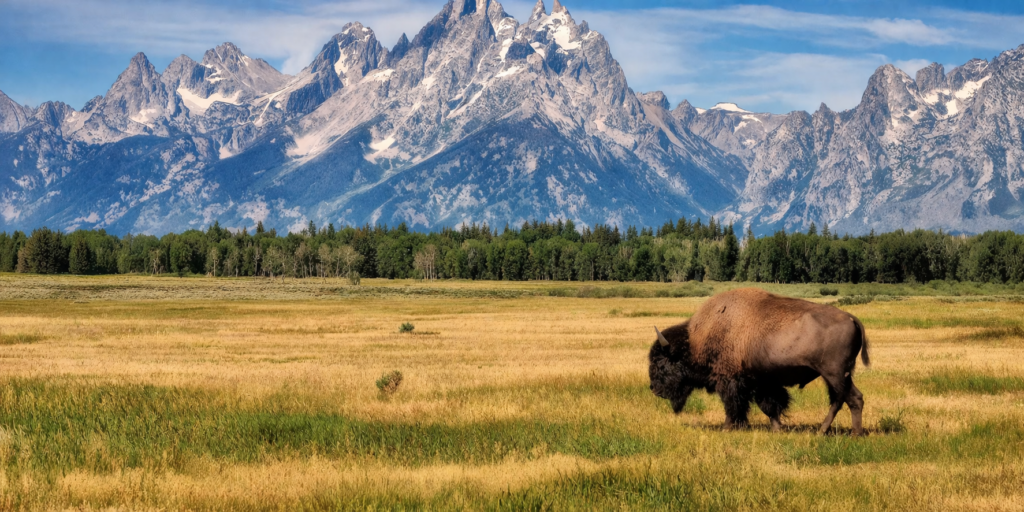
Affordability in Wyoming is not just a headline—it shows up in everyday expenses. The state’s overall cost of living sits below the national average, with housing being the biggest advantage.
Median home prices hover around $346,000, significantly lower than many coastal markets, and property tax rates average roughly 0.55%, among the lowest in the U.S.
Even rental costs remain manageable, with median rents around $857 per month.
For retirees, this means lower monthly burn. You’re not stretching Social Security to survive—you’re using it to live. That distinction matters, especially over a retirement that can easily span 20+ years.
Ranked One of the Best States to Retire
Wyoming isn’t just appealing—it’s consistently ranked at the top. In 2026 analyses, the state placed No. 1 overall for retirement, driven by affordability, tax policy, and health outcomes.
It also ranked first in affordability and scored well for quality of life compared to other states.
One notable stat: Wyoming has one of the lowest rates of multiple chronic conditions among Medicare beneficiaries, sitting at around 44%.
That combination—lower costs and better health outcomes—directly impacts long-term retirement success. It means fewer medical expenses, fewer financial surprises, and more predictability in later years.
Strong Financial Longevity for Fixed Incomes
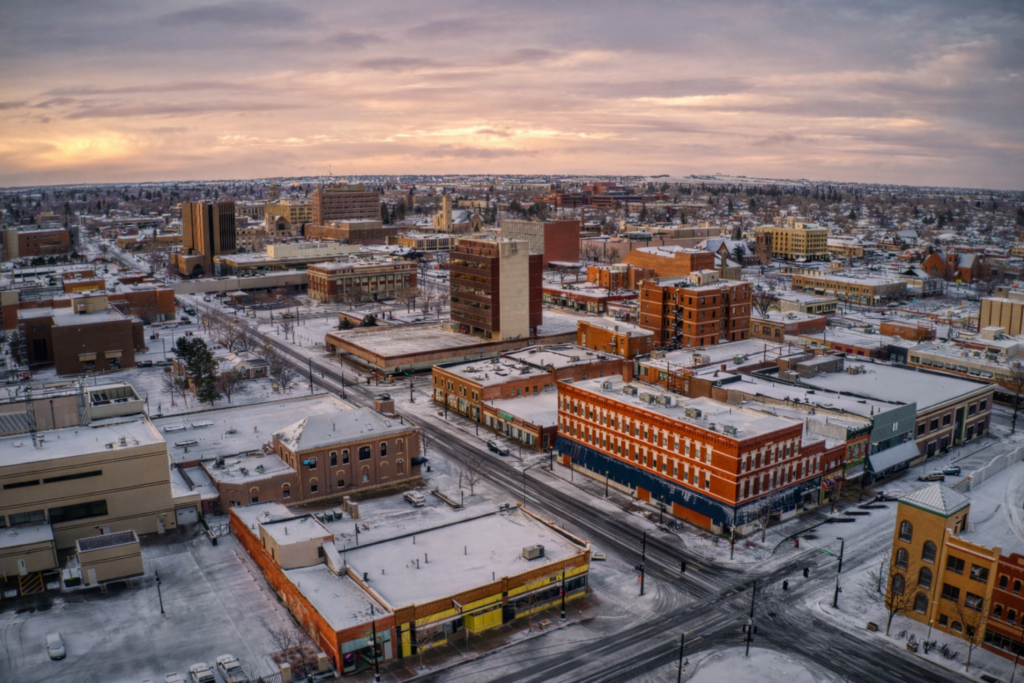
Retirement today is about sustainability. Wyoming performs well here because it allows savings to last longer. Without income taxes and with lower daily expenses, retirees can extend the life of their retirement funds significantly.
The average Social Security income in Wyoming is around $28,000 annually, and in many parts of the state, that alone can cover a large portion of living costs.
Additionally, the state ranks among the lowest in homemaker service costs, which helps aging retirees maintain independence without excessive expenses.
If your goal is not just retiring—but staying retired comfortably—Wyoming’s financial structure supports that better than most states.
Space, Privacy, and a Slower Pace of Life
Wyoming is the least populated state in the U.S., with just under 600,000 residents.
That translates into something retirees increasingly value: space. Less congestion, less noise, and less daily friction. You’re not dealing with crowded roads, long waits, or urban stress.
Communities tend to be smaller and more connected, which creates a strong sense of local support and belonging.
This slower pace is not just lifestyle—it’s practical. It reduces stress, improves day-to-day comfort, and supports better mental health, all of which matter just as much as financial security in retirement.
Access to Nature and Year-Round Outdoor Living
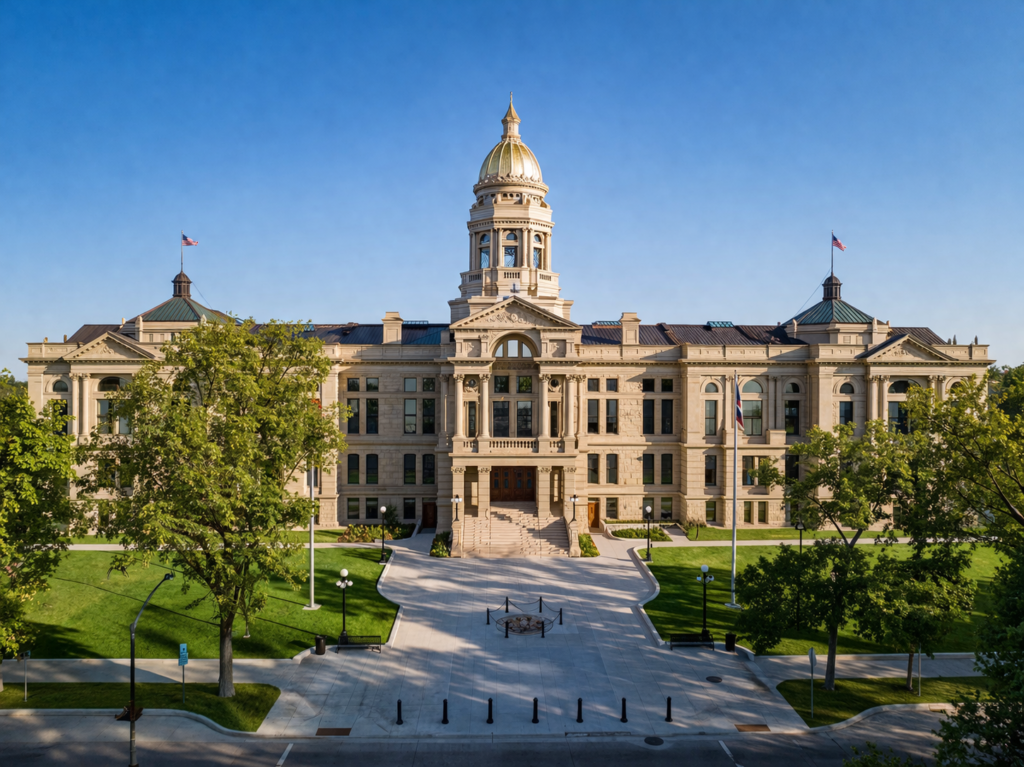
Wyoming offers something many states cannot: immediate access to world-class natural environments. You’re within reach of places like Yellowstone and Grand Teton, along with endless trails, lakes, and open land.
For retirees, this translates into free, accessible recreation—hiking, fishing, walking, and simply staying active without paying for it.
This matters for health. Regular physical activity is one of the strongest predictors of long-term wellness in retirement. Living in an environment that encourages movement naturally—without effort—adds real value.
It’s not about scenery. It’s about daily lifestyle habits that directly affect longevity.
Housing Stability and Long-Term Value
Housing in Wyoming remains relatively stable compared to volatile markets elsewhere. Outside premium areas, prices are manageable, and property taxes stay low, which protects long-term affordability.
In cities like Cheyenne, monthly homeowner costs average around $1,276—well below national averages.
For retirees, this means predictable housing expenses, fewer surprises, and better long-term planning.
There’s also flexibility. Whether downsizing, buying outright, or renting, the market allows options without forcing high financial commitments. That level of stability is exactly what most retirees are looking for when they relocate.
A Balanced Trade-Off That Works for the Right Retiree
Wyoming is not perfect, and it doesn’t try to be. Winters can be harsh, and healthcare access can be limited in more rural areas.
But for many retirees, the trade-off is worth it. You’re exchanging density, taxes, and high costs for financial control, space, and long-term stability.
That’s why Wyoming continues to rank at the top. It aligns with what retirement actually requires today: lower expenses, predictable living, and an environment that supports both physical and financial well-being.
If those are your priorities, Wyoming is not just a good idea—it’s one of the smartest moves you can make.
