

Wyoming keeps showing up in serious retirement conversations for one simple reason: it checks the boxes that actually matter. As of 2026, the state continues to attract retirees, with its 65+ population growing by over 3% annually—one of the fastest increases in the country. The appeal is grounded in real numbers: no state income tax, relatively low property taxes, and a cost of living that allows fixed incomes to stretch further. But the real opportunity lies in its small towns—places where populations stay low, crime is limited, and daily life remains manageable. Below are seven Wyoming towns that prove, with data, why they stand out for retirement.
1. Thermopolis (Population: ~2,700)

Thermopolis is the definition of a small town, with a population of about 2,709 residents. That size translates directly into what retirees often prioritize: low congestion, minimal crime, and a highly predictable cost of living. What makes Thermopolis particularly compelling is access to healthcare relative to its size, anchored by Hot Springs Health, a regional medical center serving central Wyoming. The town is also home to the world’s largest mineral hot springs, which aren’t just a tourist draw—they’re used therapeutically, especially for joint and mobility issues common among older adults. Housing costs remain below national averages, and daily expenses are low due to limited commercial inflation. For retirees seeking affordability plus a built-in wellness environment, Thermopolis delivers both.
2. Worland (Population: ~4,800)
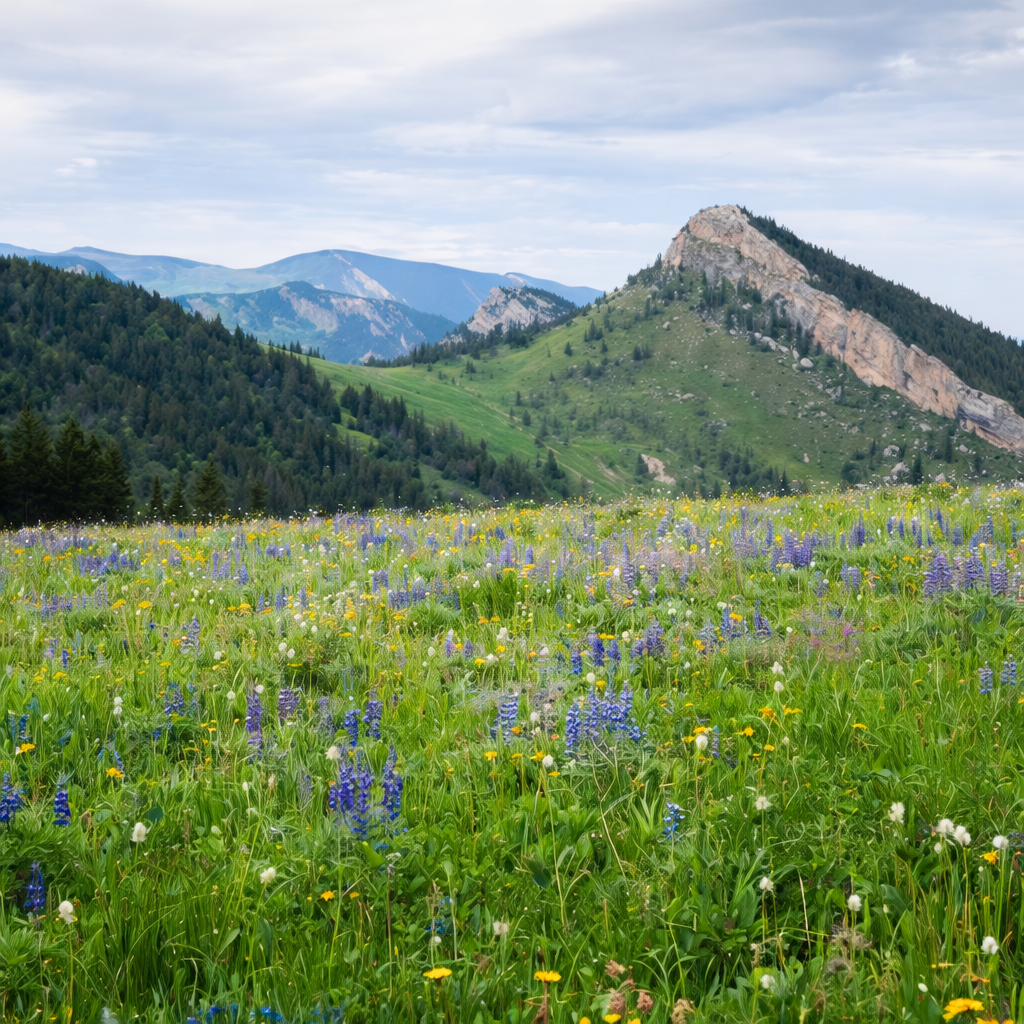
With a population of roughly 4,788, Worland clearly qualifies as a small town. That modest size plays directly into lower housing demand, which keeps home prices and rents accessible compared to national averages. What sets Worland apart is its agricultural base, which stabilizes the local economy and keeps living costs predictable—an important factor for retirees on fixed incomes. Healthcare access is stronger than expected for a town this size, thanks to Washakie Medical Center, providing emergency care and specialized services without requiring long-distance travel. The town’s flat geography also improves mobility, making daily errands easier for older residents. Combined with low crime rates and a slower pace of life, Worland offers a practical, numbers-backed retirement option rather than just a scenic one.
3. Powell (Population: ~6,400)
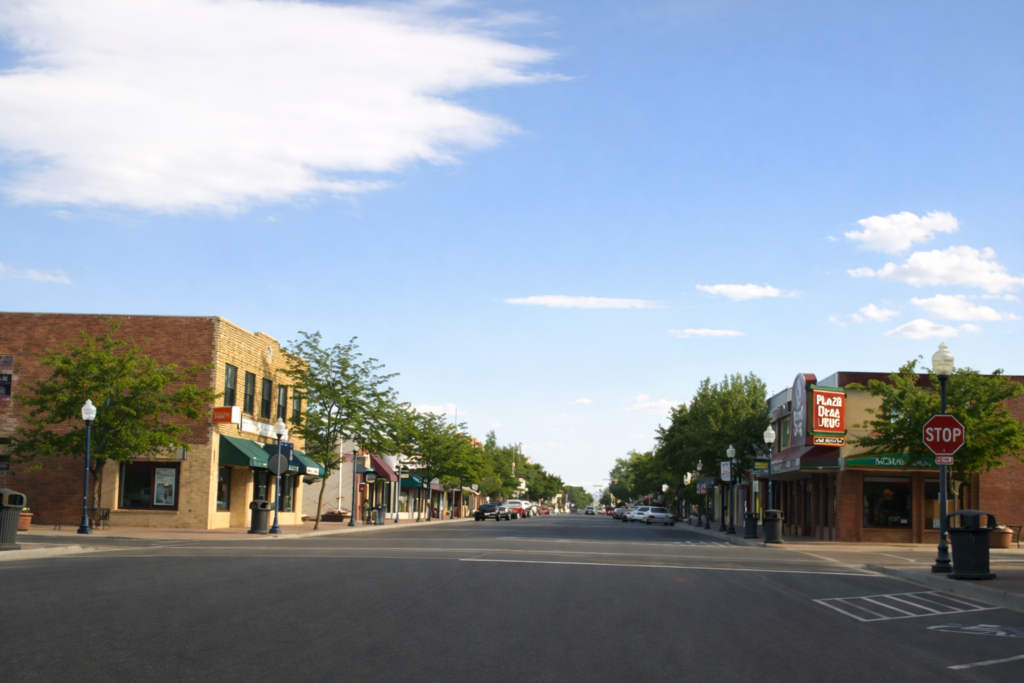
Powell’s population of about 6,466 places it firmly in small-town territory, yet it offers more infrastructure than smaller rural communities. This balance is critical for retirees who want quiet without isolation. Powell benefits from proximity to Cody (about 25 minutes away), which expands access to healthcare, shopping, and regional services without sacrificing affordability. The presence of Northwest College brings educational and community programming, which often translates into lifelong learning opportunities and cultural events—both key for mental engagement in retirement. Housing remains relatively affordable, and the town has a reputation for strong community cohesion, which matters for social well-being. For retirees who want a quiet base with nearby amenities, Powell strikes a rare middle ground.
4. Buffalo (Population: ~4,500)
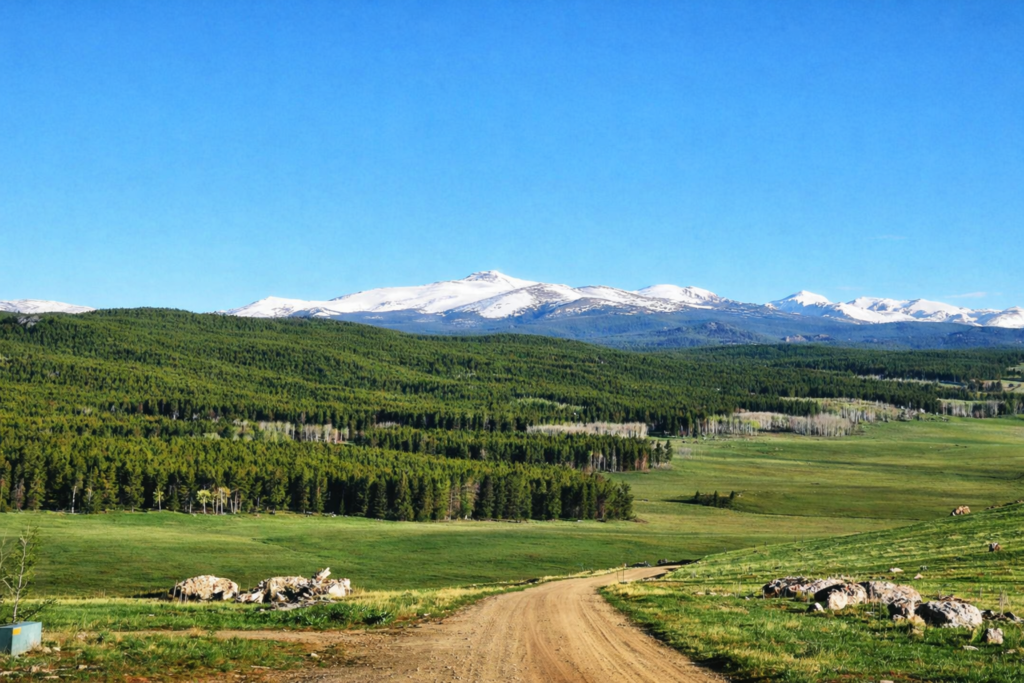
Buffalo, with a population of around 4,516, is another clear example of a small Wyoming town. Its appeal lies in a combination of affordability and safety—two of the most important retirement metrics. Crime rates remain low, and the town’s size limits the kind of rapid development that drives up costs elsewhere. Buffalo also benefits from its location near the Bighorn Mountains, offering accessible outdoor recreation without the premium pricing seen in more tourist-heavy areas like Jackson. Healthcare access is supported by Johnson County Healthcare Center, ensuring basic and emergency care locally. The town’s slower economic pace helps stabilize property values and daily expenses. For retirees seeking stability and low financial pressure, Buffalo offers a controlled, predictable environment.
5. Newcastle (Population: ~3,300)
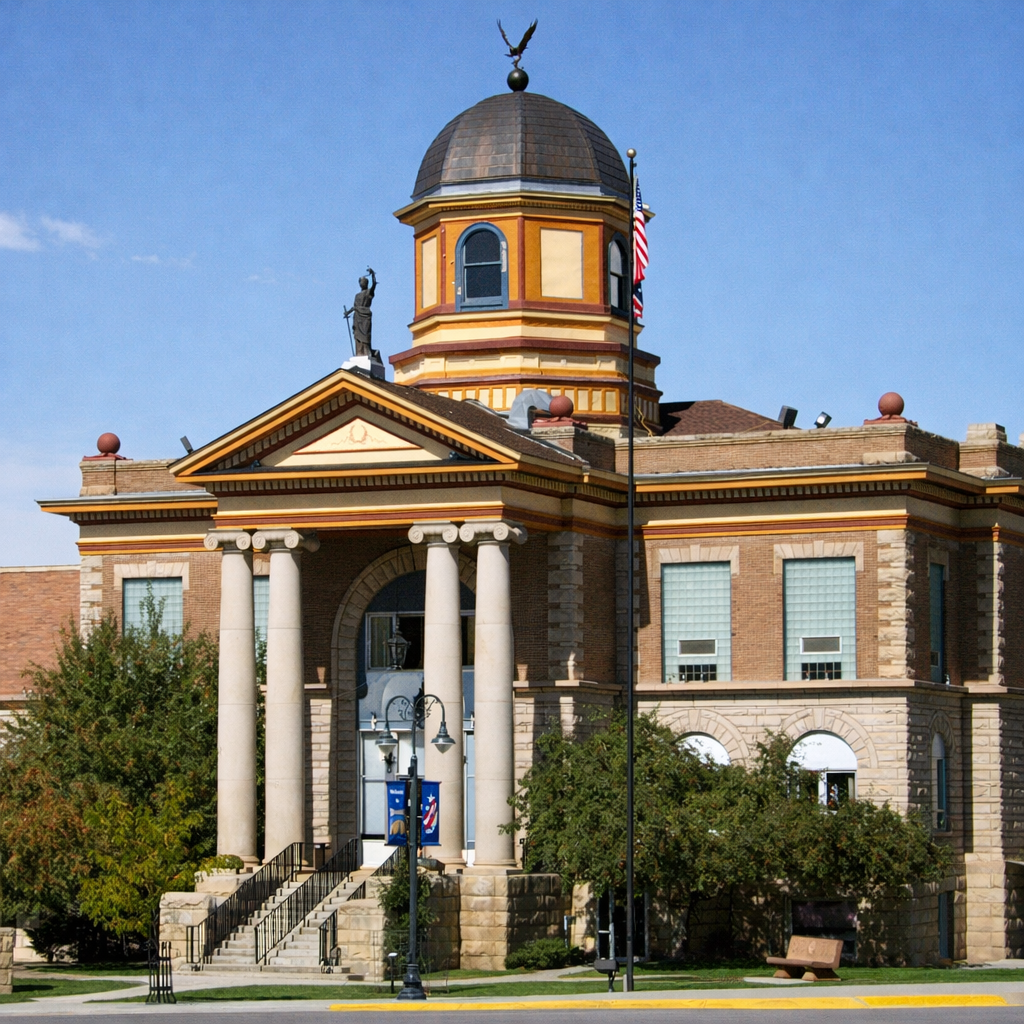
Newcastle’s population sits at approximately 3,348 residents , making it one of the smaller communities on this list. That small size directly impacts affordability—housing stock tends to be older but significantly cheaper than in larger markets. For retirees, this creates an opportunity to purchase property outright or live with minimal monthly costs. The town’s economy is modest but steady, supported by local industries and small businesses, which helps maintain a consistent cost structure. Healthcare access includes Weston County Health Services, providing essential care without requiring relocation. Newcastle also benefits from a “live-and-let-live” culture noted by residents, which often translates into lower stress and fewer social pressures—an underrated factor in retirement quality of life.
6. Lander (Population: ~7,500)
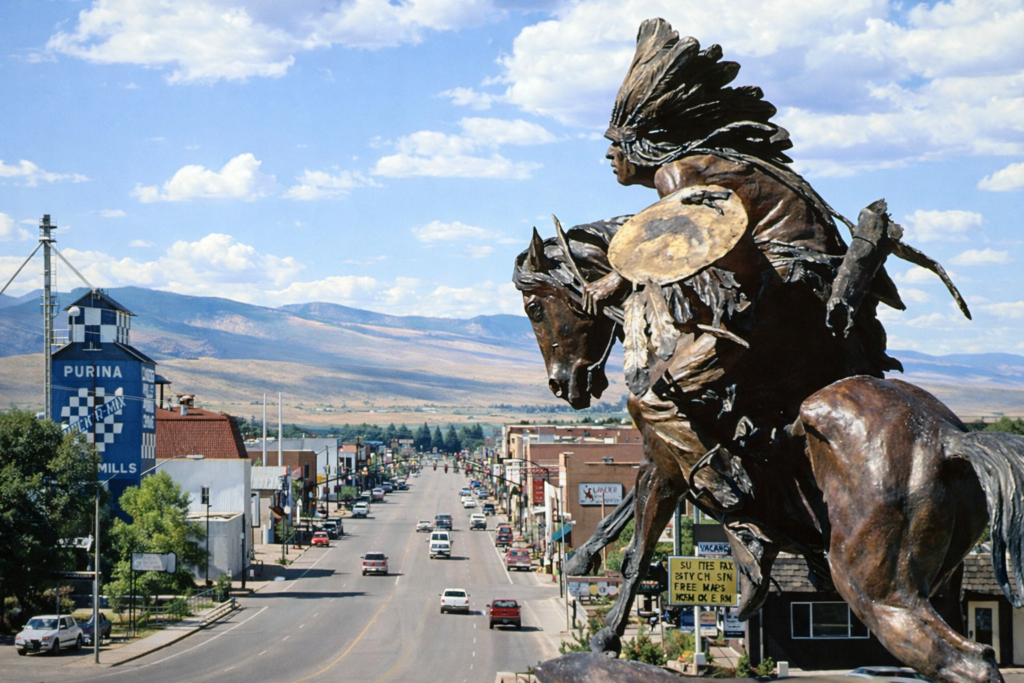
Lander, with a population of about 7,565, sits at the upper end of what qualifies as a small town but still remains well below urban thresholds . It offers a slightly more developed infrastructure while maintaining a low-density lifestyle. One of its strongest advantages is access to healthcare through SageWest Health Care, along with proximity to larger facilities in Riverton. Lander is also known for its outdoor environment, particularly access to Sinks Canyon State Park, which supports active retirement lifestyles. The town’s community-driven culture—where social interaction and local events are common—helps reduce isolation, a key concern for retirees. While housing costs are slightly higher than in smaller towns, they remain manageable relative to national averages.
7. Wheatland (Population: ~3,500)
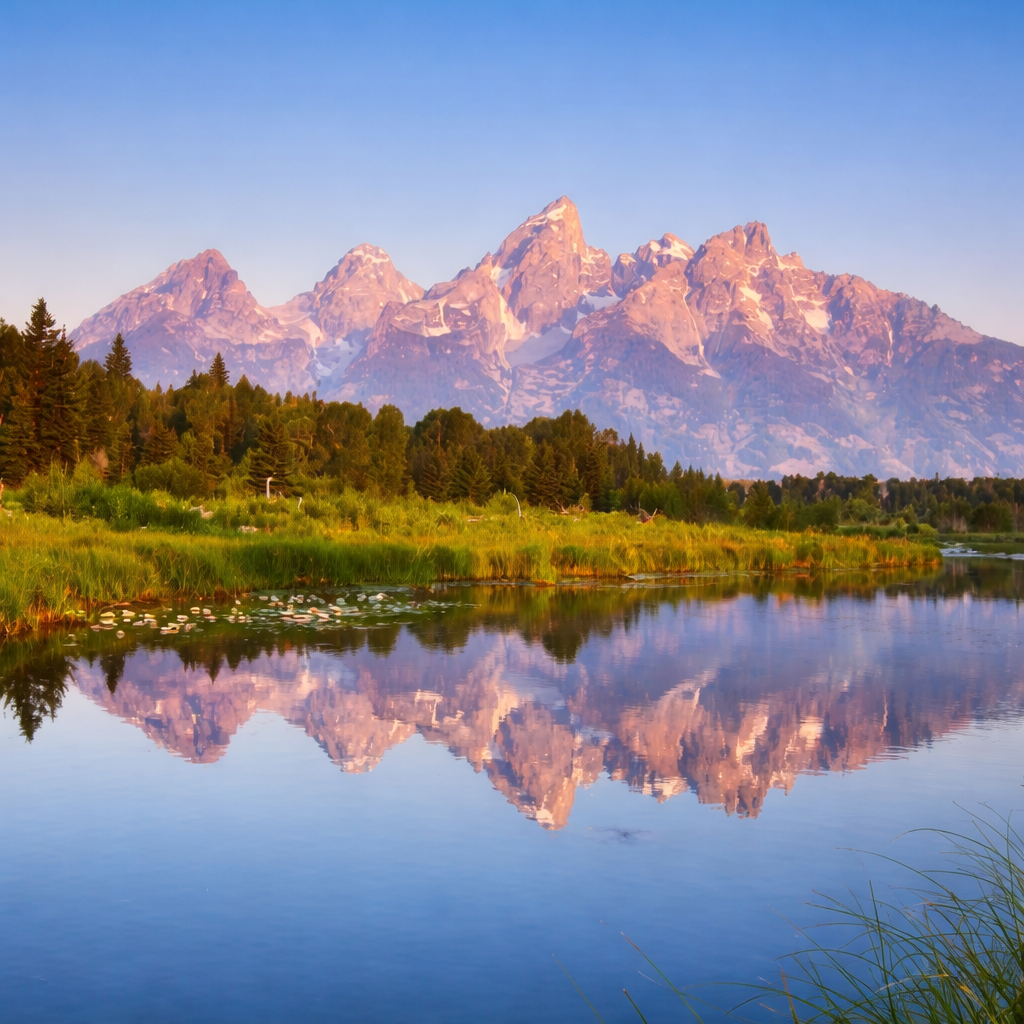
Wheatland has a population of approximately 3,570 residents, firmly placing it in the small-town category. Its appeal is rooted in cost efficiency. Housing is notably affordable, and property taxes in Wyoming remain among the lowest in the U.S., which significantly reduces long-term financial pressure. Wheatland also benefits from low crime rates and a simple layout, making navigation and daily errands easy for older residents. Healthcare access is provided through Platte County Memorial Hospital, offering essential services locally. The town’s economy is stable but not fast-growing, which helps keep inflation low. For retirees focused on maximizing savings while maintaining a quiet, structured lifestyle, Wheatland stands out as one of the most financially practical options.
