
Tennessee keeps appearing on serious retirement shortlists for reasons that hold up under data. As of 2026, the state still offers no income tax, below-average living costs, and relatively affordable healthcare, all of which directly affect long-term financial stability. What makes the difference, though, is where you settle. Smaller towns across the state combine low population density with lower housing costs, manageable healthcare access, and strong community structures—factors retirees consistently prioritize. Below are seven Tennessee towns where the numbers back the lifestyle, with verified population data and detailed reasons why each works for retirement.
1. Paris (Population: ~10,300)
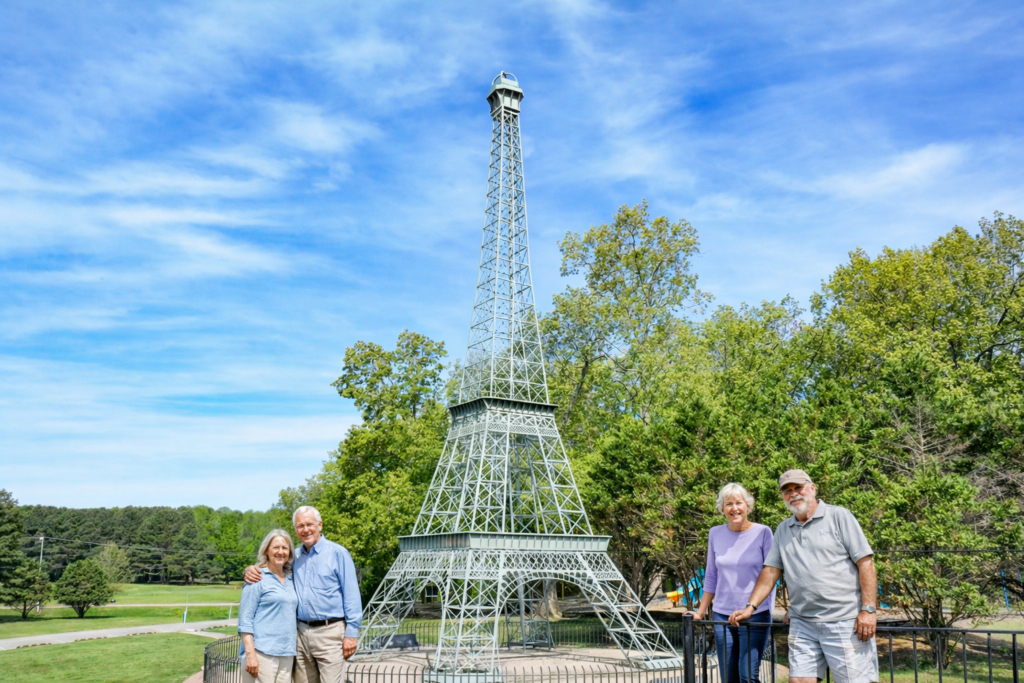
Paris firmly qualifies as a small town, with just over 10,000 residents, keeping density low and daily life manageable. What stands out here is affordability. Median home values hover around $145,000, with monthly housing costs significantly below national averages, allowing retirees to preserve capital longer. Healthcare access is unusually strong for a town this size, anchored by West Tennessee Healthcare facilities, reducing the need for long-distance travel. The town also sits near Kentucky Lake and Paris Landing State Park, offering year-round outdoor activity without high costs. Combined with Tennessee’s zero income tax, Paris provides a clear financial advantage while maintaining a stable, community-driven environment.
2. Union City (Population: ~11,100)

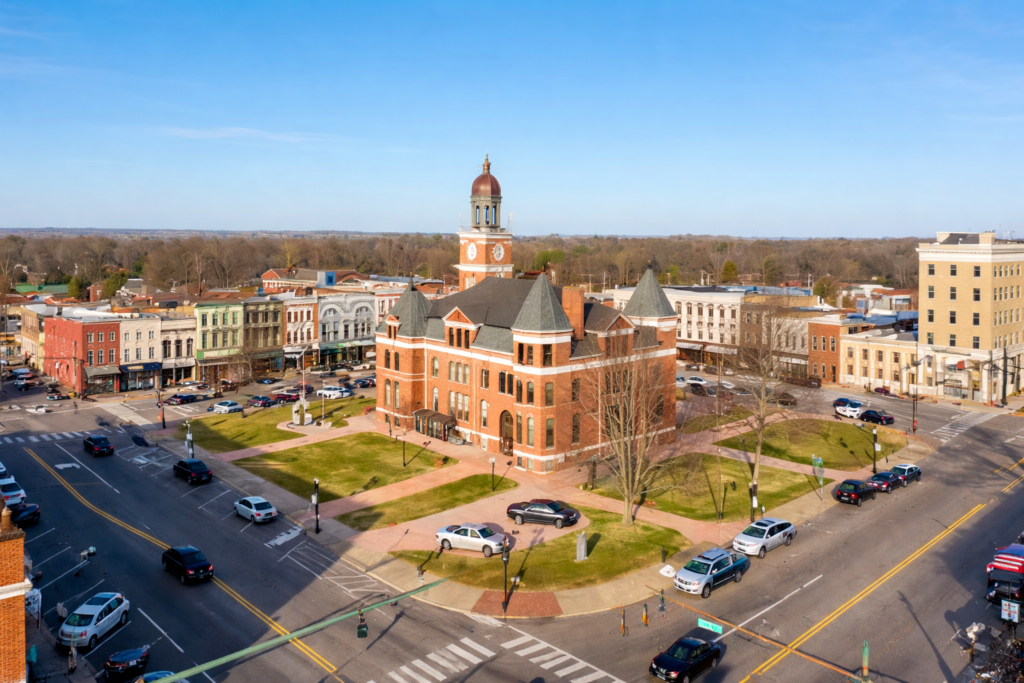
Union City remains firmly in small-town territory with a population just above 11,000, which keeps services accessible without congestion. From a retirement standpoint, the data is strong: cost of living sits about 10% below the national average, and healthcare costs are roughly 18% lower, both critical for fixed-income retirees. Crime rates are also significantly lower than national benchmarks, adding a safety component that matters long-term. Housing is especially attractive, with median values far below U.S. averages, reducing both upfront and ongoing costs. The town also offers cultural amenities like museums and local events, giving retirees activity options without the price pressure of larger cities.
3. Winchester (Population: ~9,400)
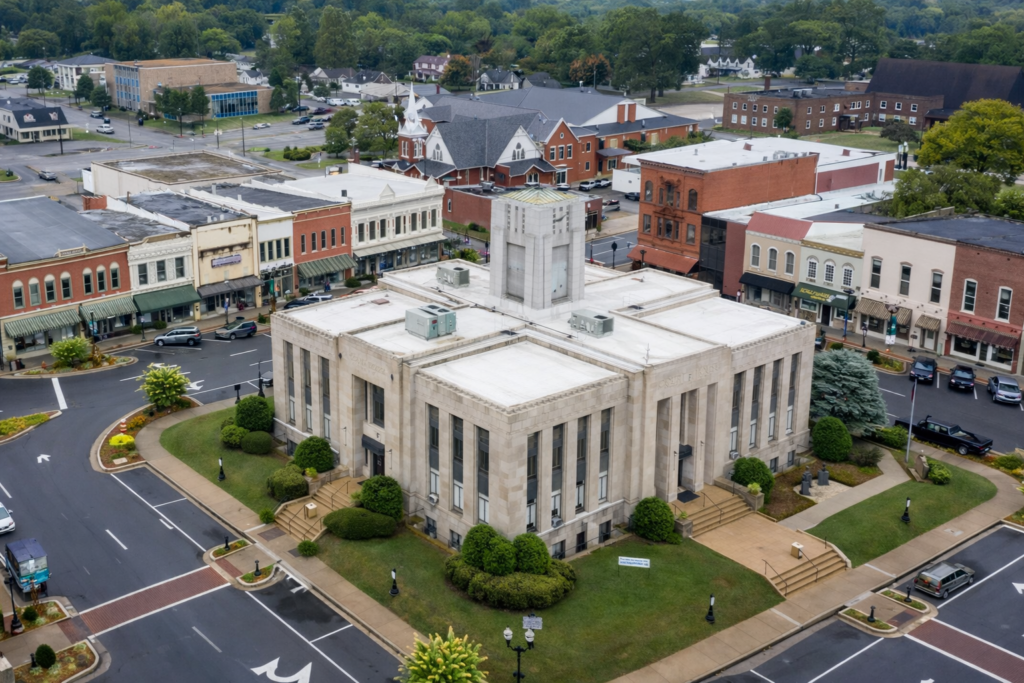
Winchester clearly fits the small-town definition with fewer than 10,000 residents, offering a quieter environment that appeals to retirees looking to step away from urban density. Financially, it performs well: cost of living sits below the national average, and median home values remain accessible relative to many U.S. markets. The presence of Tims Ford Lake adds a major lifestyle advantage—boating, fishing, and lakeside living without resort-level costs. Its location also matters: within driving distance of Nashville and Chattanooga, residents can access major hospitals and specialized care when needed. That balance—quiet daily life with proximity to infrastructure—is exactly what many retirees look for.
4. Crossville (Population: ~12,000)
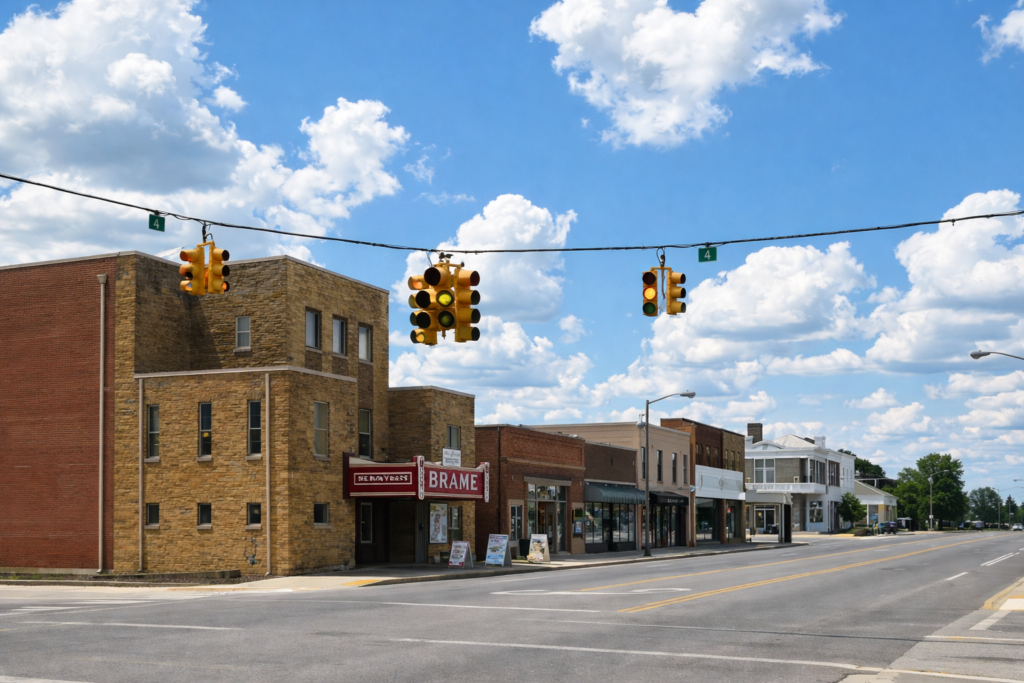
Crossville sits just above 12,000 residents, keeping it small but with enough infrastructure to support long-term living. One of the most relevant data points for retirees is its high 65+ population share (over 20%), indicating an established retirement community and services tailored to older residents. Cost of living is about 7–8% below the national average, while housing remains relatively affordable compared to similar retirement destinations. Healthcare access is supported by regional medical centers, and the area is known for its concentration of golf courses and outdoor amenities. This combination—existing retiree base, affordability, and recreation—makes Crossville one of the most data-backed retirement towns in the state.
5. Kingston Springs (Population: ~6,000)
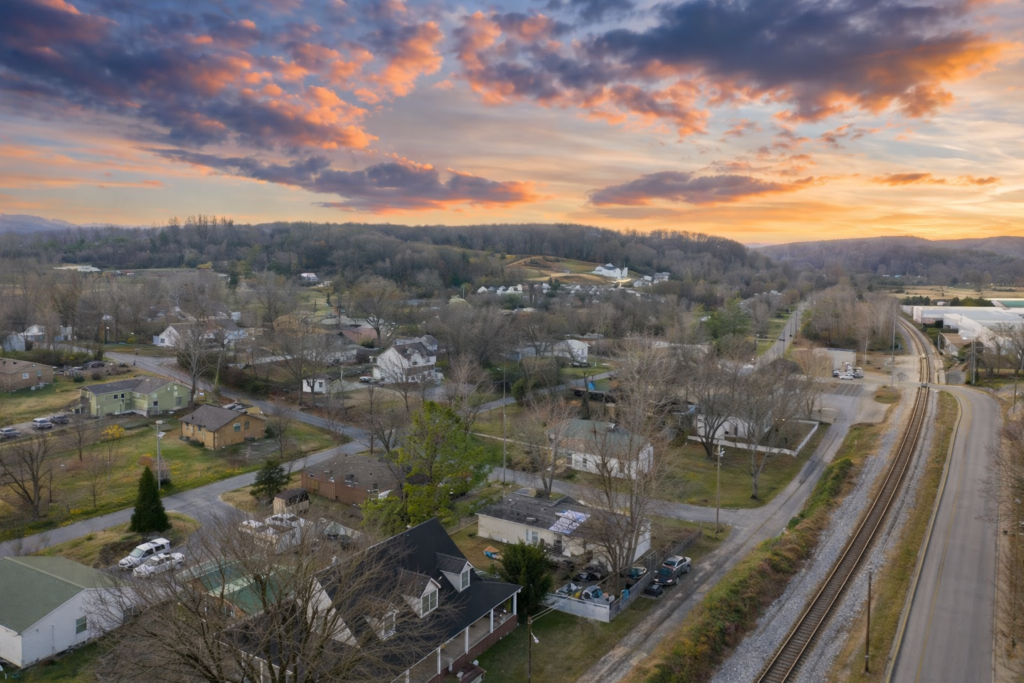
With roughly 6,000 residents, Kingston Springs is unmistakably a small town, offering low density and a slower daily rhythm. What makes it stand out is its balance: the cost of living is slightly below the national average, healthcare costs are lower, and crime rates are significantly reduced. At the same time, it sits just 20 miles from Nashville, giving retirees access to top-tier hospitals, airports, and services without living in a high-cost urban core. This proximity factor is critical—many small towns lack it. Housing costs are higher than more rural options, but the trade-off is access to infrastructure, which becomes increasingly important with age.
6. Jonesborough (Population: ~5,500)
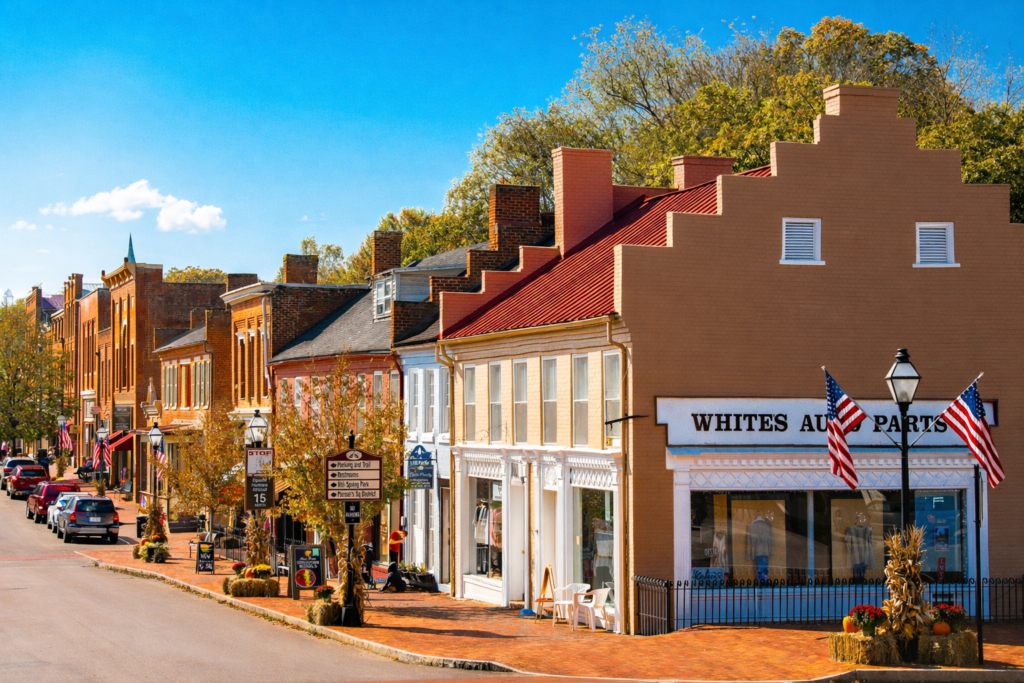
Jonesborough, with around 5,500 residents, is one of the smallest towns on this list, offering a genuinely low-density lifestyle. It is also Tennessee’s oldest town, with a preserved historic core that supports tourism and local business activity. For retirees, this translates into walkability, community events, and cultural engagement—factors often overlooked but important for quality of life. Housing remains relatively affordable compared to national averages, and the nearby city of Johnson City provides access to hospitals and larger retail infrastructure. The town’s size keeps costs and congestion low, while its cultural identity ensures it doesn’t feel isolated or stagnant.
7. Pigeon Forge (Population: ~6,300)
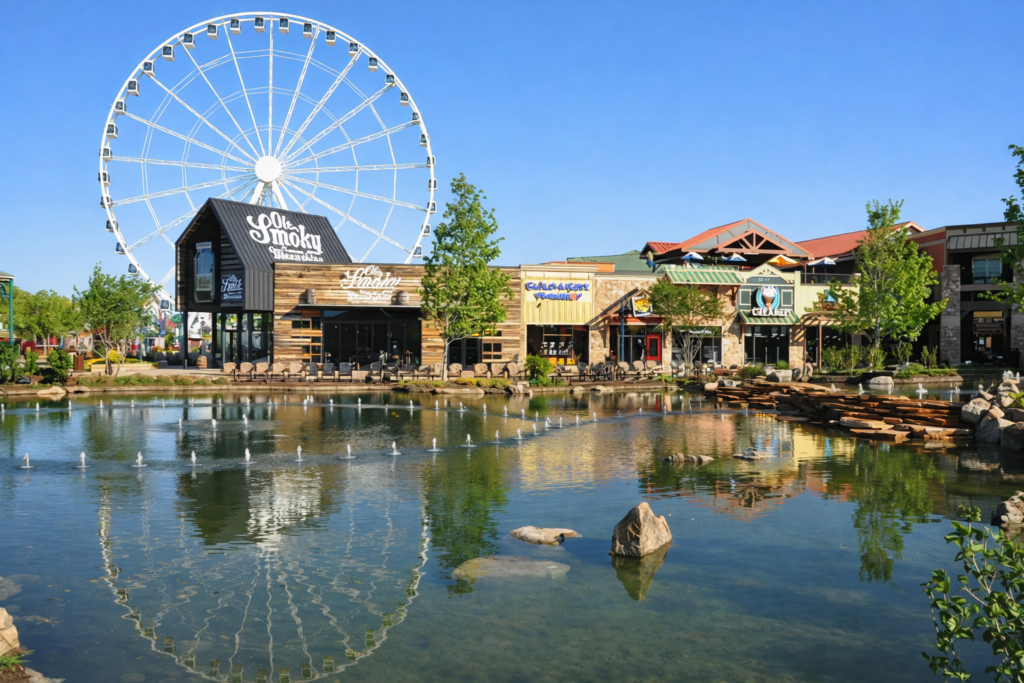
Pigeon Forge, with just over 6,000 residents, qualifies as a small town despite its tourist economy. From a retirement perspective, the numbers are compelling: cost of living sits about 9% below the national average, and the area benefits from strong infrastructure due to tourism demand. This means better roads, healthcare access, and services than many towns of similar size. Located near the Great Smoky Mountains, it offers year-round recreation—hiking, nature access, and entertainment—without requiring extensive travel. While housing can be higher due to demand, the trade-off is a well-developed environment with consistent services, which reduces many of the risks associated with retiring in smaller, more isolated towns.
