
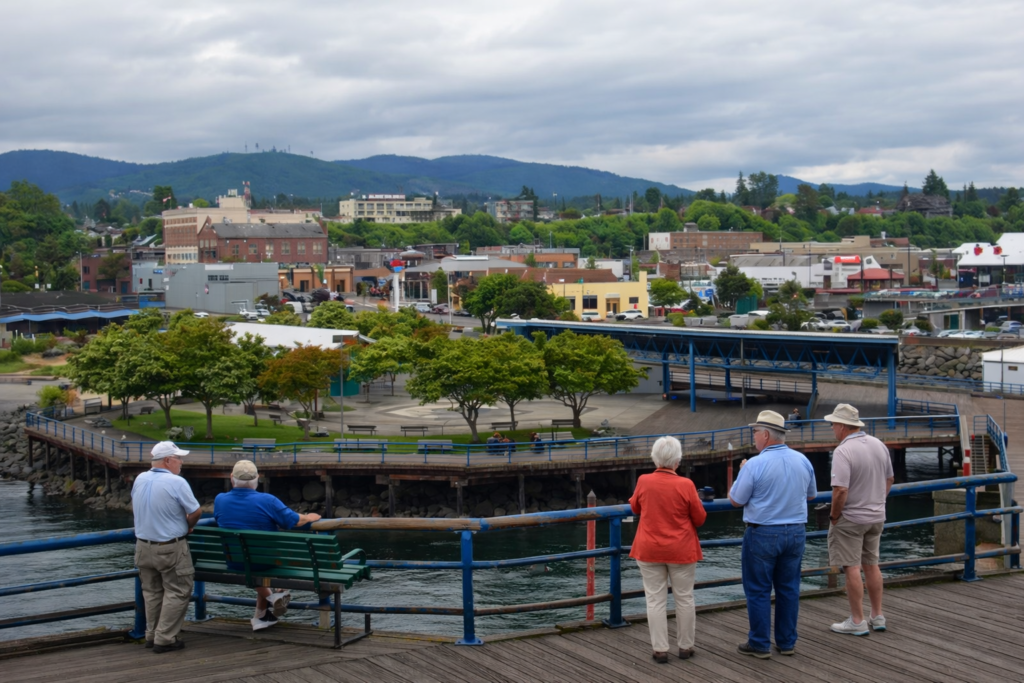
Washington works for retirement because it offers something many states cannot: no state personal income tax, a large and still-growing population base, strong regional healthcare systems, and a huge range of lifestyles, from coastal towns to college cities to inland hubs. The state’s population reached about 8.1 million in 2025, and official forecasts show Washington’s 65-plus population rising sharply in the decades ahead. That matters because retirees are not choosing one setting here; they are choosing among waterfront communities, wine-country cities, mountain-edge towns, and larger medical centers. Washington is not cheap overall, but for many retirees, the mix of scenery, healthcare access, and tax structure is a compelling one.
1. Spokane
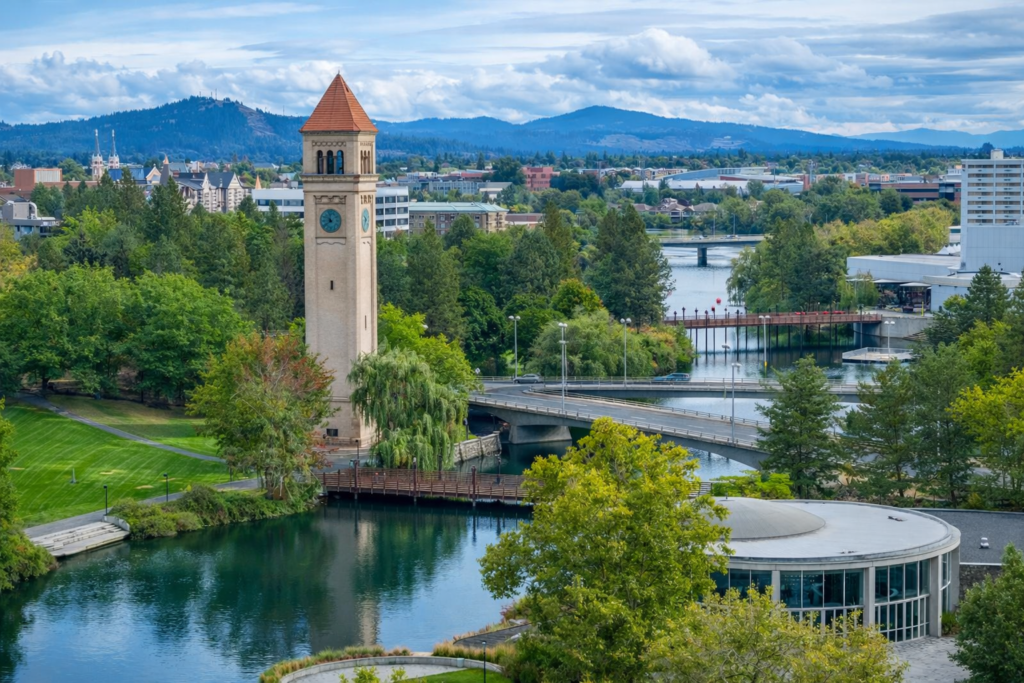
Spokane is one of the strongest retirement options in Washington for people who want a real city without Seattle-level housing costs. The city’s 2024 population was 230,609, and 16.6% of residents were 65 or older. Housing is relatively workable by Washington standards: the median owner-occupied home value was $363,500, median monthly owner costs with a mortgage were $1,753, and median gross rent was $1,215. The average commute was just 20.6 minutes, which helps with daily convenience. Healthcare is a major selling point. Providence Sacred Heart Medical Center has more than 644 beds and ranked No. 6 in Newsweek’s 2026 Best-in-State Hospitals list for Washington. For retirees who want specialists, hospitals, culture, and easier pricing than the Puget Sound core, Spokane stands out.
2. Olympia
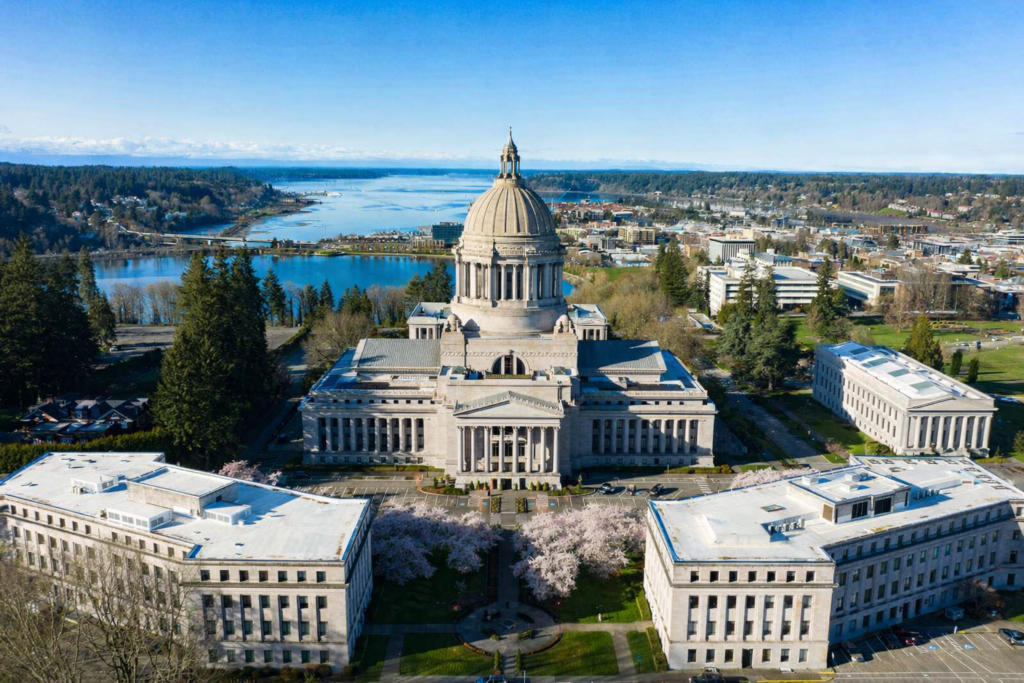
Olympia suits retirees who want a smaller capital city with educated residents, a strong public-sector economy, and serious healthcare access. Its 2024 population was 56,271, and 19.7% of residents were 65 or older, one of the higher shares among midsize Washington cities. Median owner-occupied home value was $455,600, with median monthly owner costs of $2,087 for mortgaged owners and $635 without a mortgage. The average commute was 20 minutes. Income levels are solid, with median household income at $81,302. Healthcare is a major advantage: Providence St. Peter Hospital in Olympia is a roughly 394-bed regional referral center and one of the largest medical centers in southwest Washington. Retirees who want government stability, access to Puget Sound, and a city that still feels manageable should give Olympia a serious look.
3. Vancouver
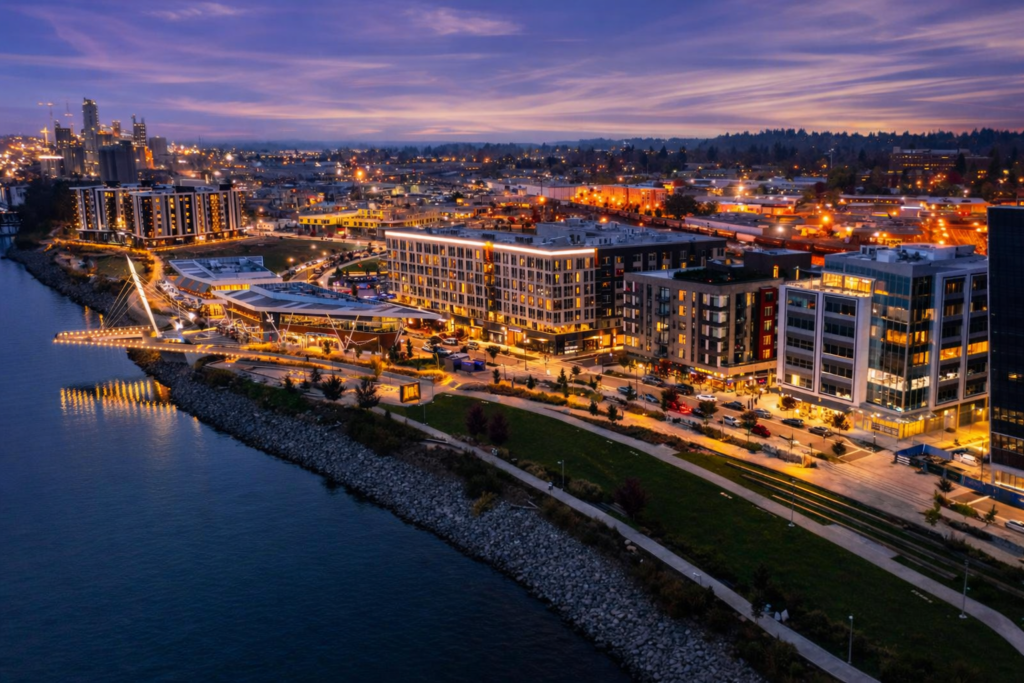
Vancouver works especially well for retirees who want Washington’s tax structure but easy access to big-city healthcare, shopping, and flights through the Portland metro. The city’s 2024 population was 198,992, and 16.7% of residents were 65 or older. Median owner-occupied home value was $462,400, which is not cheap, but still often compares favorably with many Seattle-area markets. Median monthly owner costs were $2,035 with a mortgage, and the median household income was $81,338. Commutes averaged 23.2 minutes. Healthcare access is broad: PeaceHealth Southwest Medical Center is open 24/7, and nearby Legacy Salmon Creek Medical Center ranked No. 7 in Newsweek’s 2026 Washington hospital rankings. Vancouver is a good fit for retirees who want more services, an airport nearby, and a lower-stress alternative to living inside Portland itself.
4. Bellingham
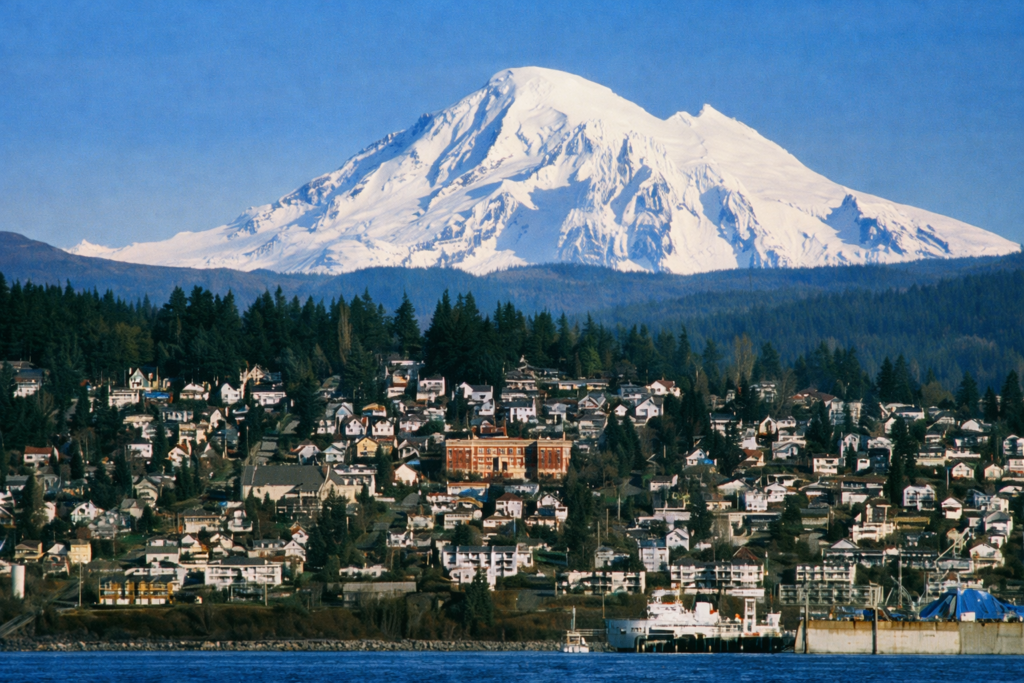
Bellingham is attractive for retirees who care as much about lifestyle as they do about services. The city had a 2024 population of 95,860, with 16.5% of residents age 65 or older. It is more expensive than eastern Washington: the median owner-occupied home value was $627,500, with median monthly owner costs of $2,331 for homes with a mortgage. Still, commutes are short at 18.1 minutes, and the city is highly educated, with 48.5% of adults 25 and older holding at least a bachelor’s degree. Healthcare access is strong for a city its size. PeaceHealth St. Joseph Medical Center operates in Bellingham 24/7 and has 255 licensed beds. For retirees who want saltwater views, outdoor access, and a livelier cultural atmosphere, Bellingham offers a premium but appealing package.
5. Wenatchee

Wenatchee is one of the better balanced retirement picks in Washington because it combines smaller-city living with decent healthcare infrastructure and more moderate housing than the coast. Its 2024 population was 35,401, and 18.0% of residents were 65 or older. The median owner-occupied home value was $433,700, median monthly owner costs were $1,943 with a mortgage and $557 without one, and the average commute was just 17 minutes. Median household income reached $73,040. On healthcare, the city is stronger than its size suggests: Confluence Health Hospital’s central campus in Wenatchee is a 198-bed hospital with a Level III trauma center. For retirees who want sunshine, river-and-mountain scenery, and a less crowded daily pace without giving up core services, Wenatchee deserves attention.
6. Walla Walla
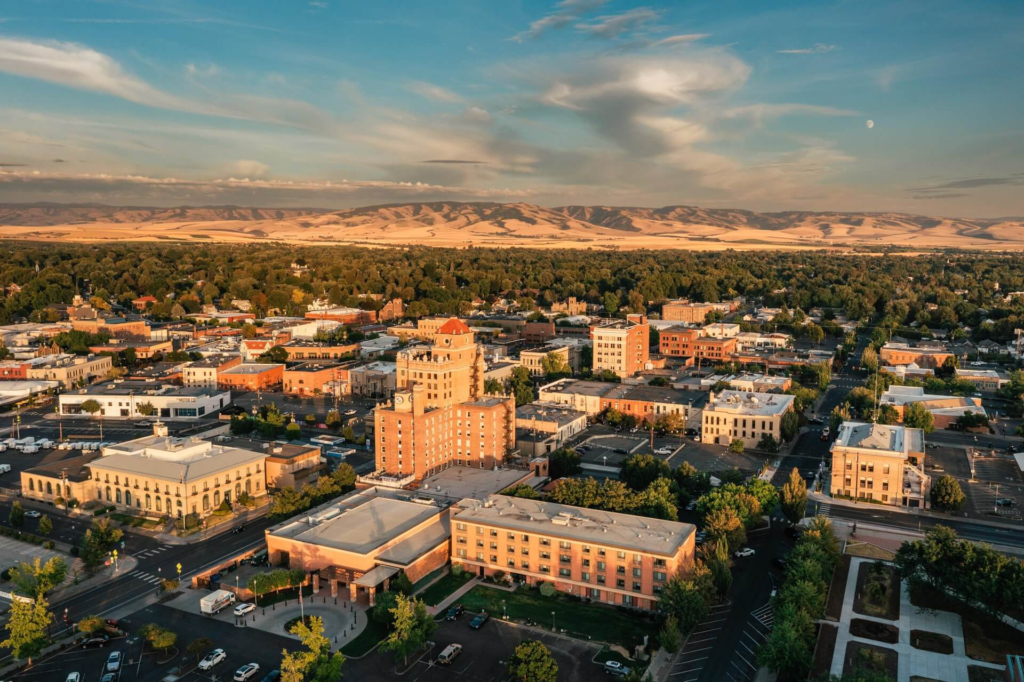
Walla Walla makes sense for retirees who want a slower pace, a well-known downtown, and housing that remains more grounded than many western Washington markets. The city’s 2024 population was 33,901, and 18.9% of residents were 65 or older. Median owner-occupied home value was $393,600, with median monthly owner costs of $1,807 for mortgaged owners and $701 for owners without a mortgage. Its 12.8-minute average commute is one of the shortest on this list, which matters in everyday retirement life. Healthcare access is solid for a smaller city: Providence St. Mary Medical Center in Walla Walla is an acute-care hospital with 142 licensed beds. Walla Walla is a strong pick for retirees who value convenience, wine-country surroundings, and a city that feels active without feeling crowded.
7. Port Angeles
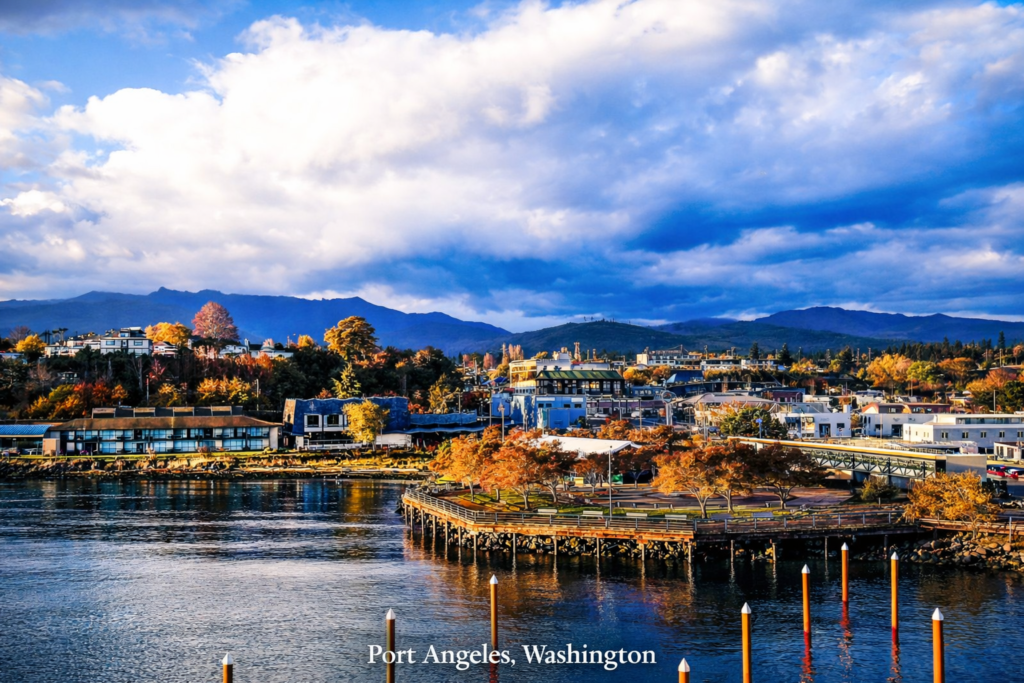
Port Angeles is a good retirement choice for people who want nature close at hand and do not need a large-city pace. The city’s 2024 population was 20,112, and 22.6% of residents were 65 or older, the highest share on this list. Housing is mixed but still more approachable than many Puget Sound markets: the median owner-occupied home value was $390,800, median monthly owner costs were $1,719 with a mortgage and $493 without one, and the average commute was 16.7 minutes. Median household income was $62,606. Healthcare is more limited than in Spokane or Olympia, but Olympic Medical Center provides local hospital services and currently describes itself as a 67-bed hospital. Port Angeles fits retirees who prioritize scenery, quieter living, and access to the Olympic Peninsula over big-city amenities.
