
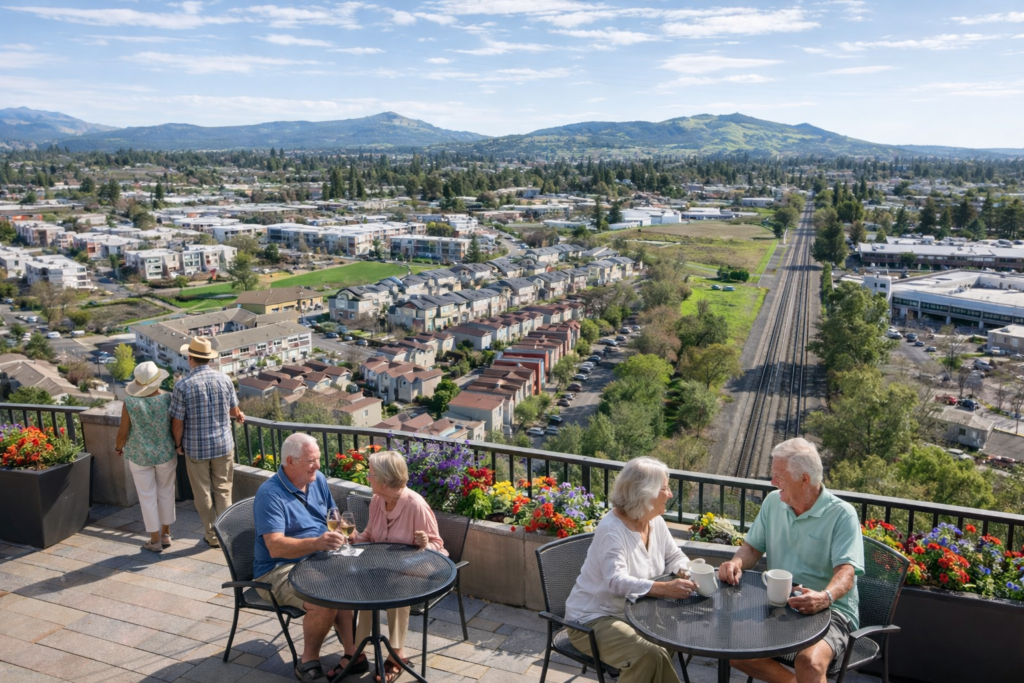
Santa Rosa, the largest city in Sonoma County, combines mid-sized urban infrastructure with proximity to Northern California’s wine country landscapes. With about 178,000 residents and a median household income near $99,000, it offers a stable economic base compared with many retirement-friendly towns in California. Housing costs remain high but typically sit below ultra-premium Bay Area markets, while access to parks, transit links, and regional healthcare strengthens long-term livability. A growing share of residents aged 65+ and relatively short commute times also shape daily life. For retirees seeking climate stability, services, and lifestyle variety, Santa Rosa represents a structured, data-supported option worth evaluating.
Demographic Structure and Age Distribution
Santa Rosa’s population profile reflects both family households and a meaningful older-adult cohort. Around 18.7 % of residents are 65 or older, and the city’s median age sits near 39.9 years, indicating a balanced demographic mix rather than an exclusively youth-oriented environment. This structure can benefit retirees seeking services, social diversity, and intergenerational community stability. Approximately 54 % of housing units are owner-occupied, suggesting residential continuity and established neighborhoods. The city’s total population of roughly 178,000 also provides access to amenities uncommon in smaller retirement towns. These demographic realities influence infrastructure planning, healthcare demand, and housing patterns relevant to long-term retirement decision-making.
Housing Market Realities and Property Values
Housing is the most significant cost consideration in Santa Rosa’s retirement equation. The average home value sits near $700,000 in early 2026, with median property values slightly above $713,000 in recent data, reflecting moderate softening after prior appreciation cycles. Typical home costs remain below many Bay Area markets but nearly double the U.S. national median, creating affordability pressure for fixed-income retirees. Rental prices similarly reflect regional demand, with two-bedroom units around $2,160 monthly. While high, these figures can still compare favorably with San Francisco or Palo Alto. Market dynamics, including slower appreciation and shorter listing times, indicate relative stability rather than speculative volatility.
Cost of Living and Financial Planning Implications
Santa Rosa’s overall cost-of-living index ranges between roughly 130 and 151, depending on methodology, placing it significantly above the U.S. average but slightly below broader California benchmarks in some analyses. Housing, energy, and taxation remain key drivers of higher expenses, while food and local service costs can be more moderate than in major coastal metros. Monthly living expenses often exceed $3,000 when combining housing, utilities, and daily needs. For retirees, this financial environment demands strategic planning, especially when relying on pensions or Social Security. However, the city’s economic stability and property market resilience provide predictable long-term cost trajectories rather than sudden inflation shocks.
Income Levels and Economic Stability
Economic indicators in Santa Rosa point to a relatively prosperous local environment. Median household income reached about $99,060 in 2024, with average household earnings around $129,680, reflecting strong wage growth compared with prior years. Per-capita income nearing $57,963 also indicates a diversified economic base. Poverty levels remain below 10 %, contributing to stable municipal services and tax revenues. For retirees, these metrics influence healthcare funding, infrastructure investment, and local market vitality. A robust economic profile can also support property value retention, which matters for retirees using housing equity as a financial buffer. Overall, income distribution trends suggest moderate inequality but continued economic resilience.
Healthcare Access and Senior Care Costs
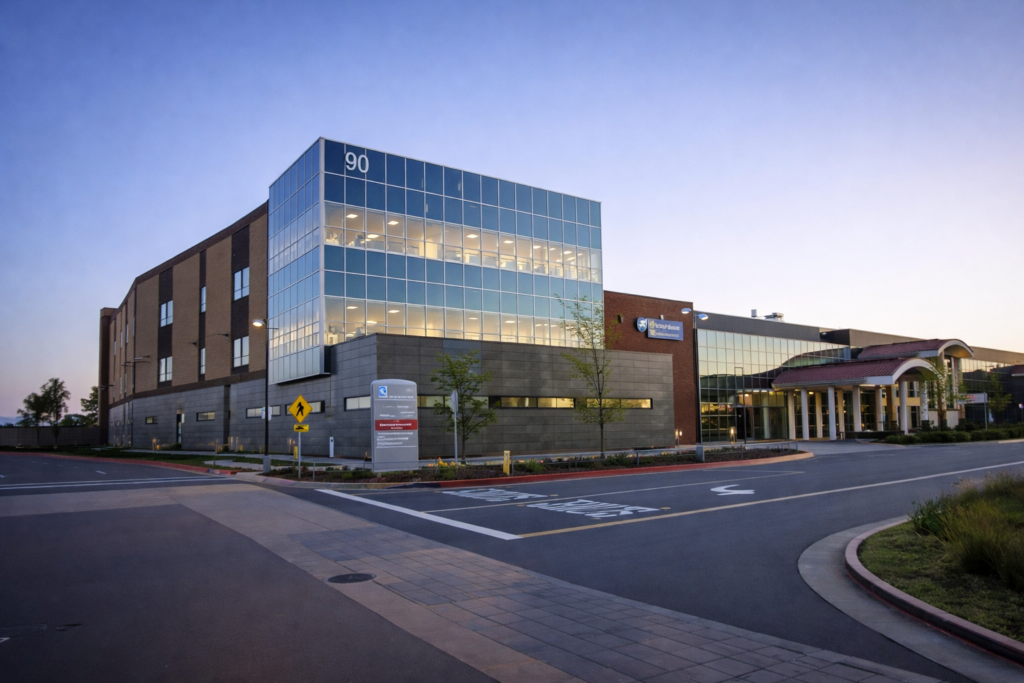
Healthcare availability represents a decisive retirement factor, and Santa Rosa’s regional medical infrastructure supports an aging population. Assisted-living facilities average about $6,043 monthly, exceeding both national and California averages, reflecting higher service standards and regional cost pressures. These elevated expenses highlight the importance of long-term care insurance or savings strategies. Sonoma County’s demographic trends also show declining birth rates and aging-population growth, reinforcing demand for geriatric services. Retirees benefit from proximity to multiple clinics and hospitals across the North Bay region, though higher healthcare pricing must be incorporated into retirement budgeting and planning decisions.
Transportation Infrastructure and Daily Mobility
Santa Rosa’s transportation profile supports active retirement lifestyles. Average commute times hover around 22.9 minutes, below the national average, suggesting reduced daily travel strain. About 71 % of workers drive alone, while remote-work patterns and regional rail connections such as the SMART train expand mobility options for non-drivers. Highway access via U.S. 101 and State Route 12 enhances connectivity to the broader Bay Area. For retirees, efficient transportation affects access to healthcare, shopping, and cultural activities. Shorter commutes and diversified transit systems reduce dependency on long drives, particularly valuable for older residents transitioning away from full-time vehicle use.
Climate Patterns and Environmental Livability
Santa Rosa experiences a warm-summer Mediterranean climate characterized by dry summers and cooler, wetter winters. Seasonal temperature ranges typically span from the high 30s °F in winter to high 80s °F in summer. Coastal fog often influences morning and evening conditions, moderating heat levels compared with inland California regions. While rainfall is somewhat higher than nearby East Bay locations, overall weather supports outdoor activity for most of the year. These climatic conditions influence physical health, lifestyle patterns, and energy costs for retirees. Environmental stability also contributes to vineyard agriculture and regional tourism, indirectly shaping the city’s economic and cultural landscape.
Lifestyle Assets, Amenities, and Social Infrastructure
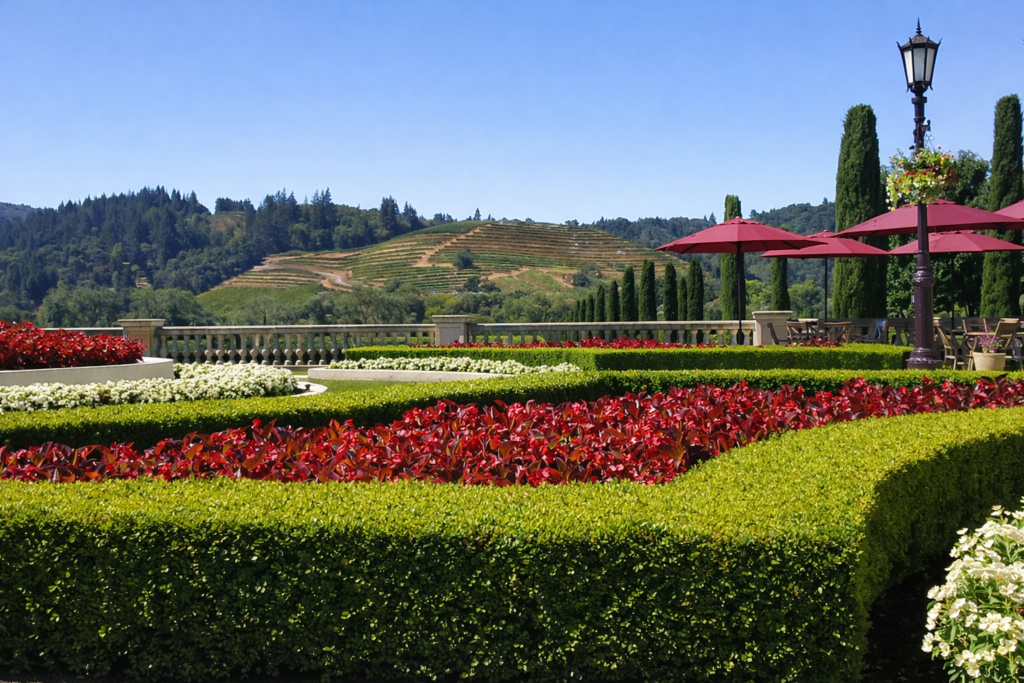
Santa Rosa’s lifestyle appeal rests on its combination of suburban density and cultural resources. The city offers numerous parks, dining options, and retail hubs, creating a “dense suburban” environment with urban-level conveniences. Its location within Sonoma County’s wine-country corridor provides access to recreational activities and tourism-driven cultural events. Public schools rate above average, contributing to community stability even for retirees without school-aged dependents. The mix of residential neighborhoods and commercial districts supports social engagement and service accessibility. This diversified lifestyle environment can reduce isolation risks often associated with retirement, supporting long-term wellbeing and quality-of-life outcomes.
