
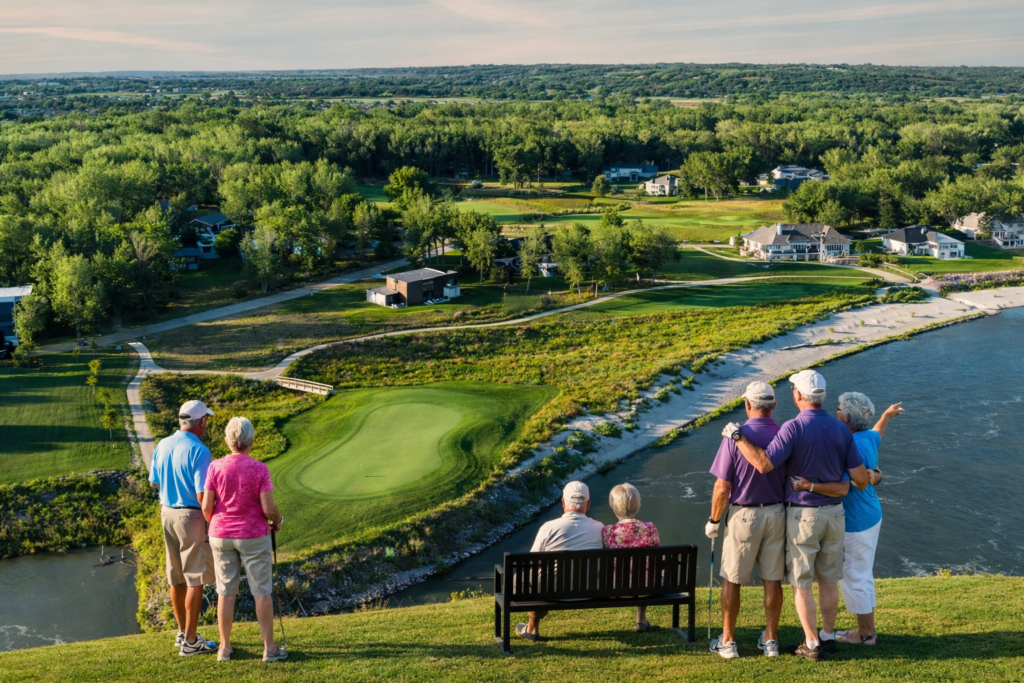
Retirement is about finding a place that balances affordability, comfort, and quality of life—and South Dakota continues to stand out for all three. Known for its wide-open landscapes, low population density, and steady pace of life, the state attracts retirees looking to stretch their savings without sacrificing essentials. From small rural towns to modest cities, options vary widely depending on lifestyle preferences. What draws people most, though, isn’t just scenery—it’s financial practicality, access to healthcare, and a sense of stability. Below are seven data-backed reasons why South Dakota consistently ranks as a strong retirement destination in the United States.
1. No State Income Tax (Including Retirement Income)

South Dakota is one of only a handful of U.S. states with no state income tax, meaning retirees pay 0% on Social Security benefits, pensions, IRAs, and 401(k) withdrawals. This alone can significantly increase disposable income compared to states that tax retirement earnings at rates of 4%–10%. According to the Tax Foundation, South Dakota also ranks among the most tax-friendly states overall. There is no inheritance or estate tax either, allowing retirees to preserve wealth across generations. While sales taxes exist (state rate 4.2%), the overall tax burden remains among the lowest in the U.S., making it highly attractive for fixed-income households.
2. Low Cost of Living Across Key Categories
South Dakota’s cost of living is consistently below the U.S. average by roughly 8%, depending on the metric. Housing is a major factor: median home values are significantly lower than the national median, often by over $100,000. Utilities and groceries also trend slightly below average, according to data from the U.S. Bureau of Economic Analysis. For retirees, this translates into lower monthly expenses and less pressure on savings. Even in larger cities like Sioux Falls or Rapid City, overall affordability remains competitive. Lower costs across essentials allow retirees to maintain a comfortable lifestyle while reducing financial stress over the long term.
3. Affordable Housing and Property Ownership
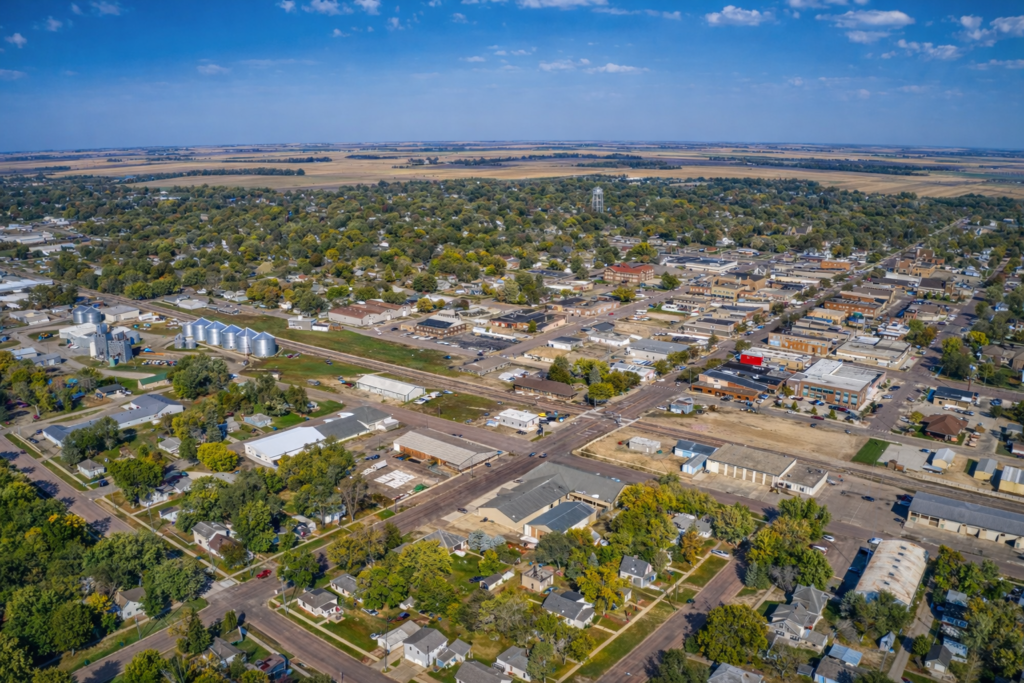
Housing affordability is one of South Dakota’s strongest advantages. Median home prices are typically well below the U.S. median, often landing in the $250,000–$320,000 range depending on the area. Property taxes are moderate, with effective rates around 1.1%–1.3%, lower than many coastal states. According to the U.S. Census Bureau, homeownership rates in South Dakota exceed 65%, reflecting accessibility and stability in the housing market. For retirees, this means the opportunity to purchase a home outright or significantly reduce housing costs. Lower housing expenses free up income for healthcare, travel, and leisure—key priorities in retirement planning.
4. Strong Healthcare Access for a Rural State
Despite its rural character, South Dakota offers solid healthcare access, particularly in regional hubs. Systems like Sanford Health and Avera Health provide extensive coverage, including specialized care, across multiple locations. The state maintains a high ratio of hospital beds per capita compared to many rural states, and Medicare coverage is widely accepted. While rural access can vary, major centers such as Sioux Falls serve as healthcare anchors. For retirees, proximity to reliable medical care is critical, and South Dakota balances rural living with accessible, well-established healthcare networks that support aging populations.
5. Low Population Density and Quiet Lifestyle

With a population of under 1 million people, South Dakota offers a low population density of roughly 12 people per square mile, compared to over 90 nationally. This creates a quieter, less congested environment—something many retirees actively seek. Lower traffic, reduced noise, and open spaces contribute to improved quality of life and lower stress levels. According to the U.S. Census Bureau, many communities maintain small-town characteristics with strong local engagement. This slower pace is ideal for those transitioning away from fast-paced urban environments, offering a sense of calm and predictability that aligns well with retirement priorities.
6. Safe Communities and Low Crime Rates
South Dakota consistently ranks among the safer U.S. states, with crime rates below national averages in many categories. Violent crime rates are notably lower than the U.S. average, particularly in smaller towns and rural areas. Data from the Federal Bureau of Investigation shows that many South Dakota communities report stable or declining crime trends. For retirees, safety is a top concern, especially when choosing a long-term residence. Lower crime contributes to peace of mind, whether living independently or within a retirement community, and supports an overall sense of security that enhances daily life.
7. Natural Beauty and Outdoor Accessibility
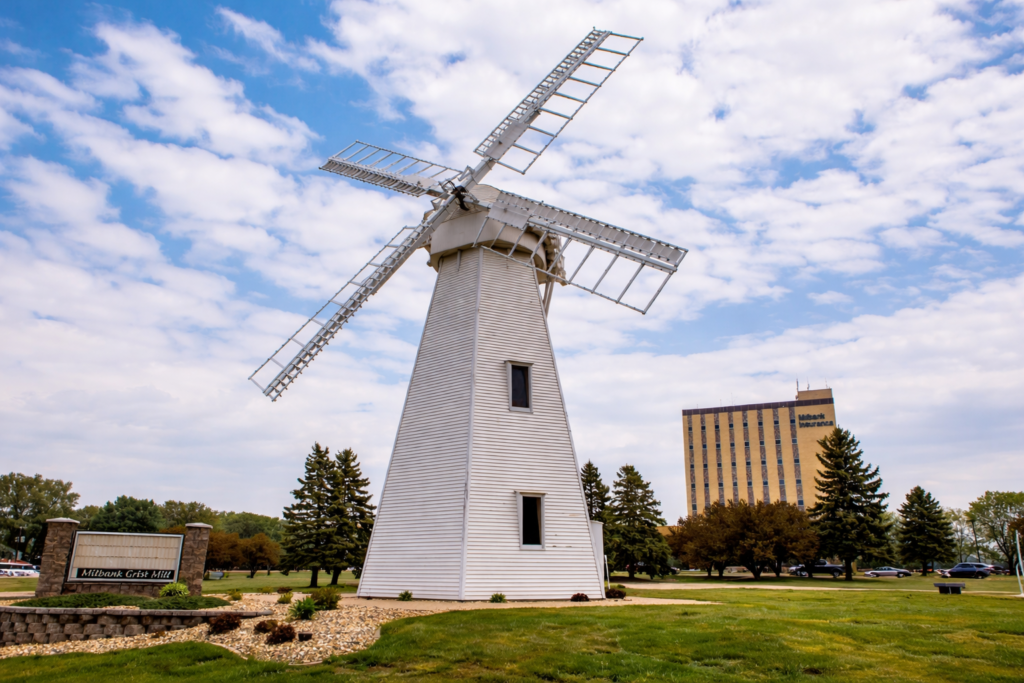
South Dakota offers extensive access to natural landscapes, including iconic destinations like Mount Rushmore National Memorial and Badlands National Park. The state features over 60 state parks and recreation areas, providing opportunities for hiking, fishing, and wildlife viewing. Outdoor activity supports both physical and mental well-being, which is particularly important in retirement. Additionally, there are no entrance fees for many local recreation areas, making nature accessible without high costs. The combination of scenic beauty and easy access encourages an active lifestyle, helping retirees stay engaged and healthy year-round.
