

Retirement in the U.S. does not always mean heading for the biggest, flashiest, or most expensive place on the map. Many retirees look for something smaller: lower housing costs, a quieter pace, a stronger sense of community, and enough day-to-day services to live comfortably. California still draws retirees because it offers mild weather, varied landscapes, and access to healthcare, recreation, and culture. The problem, of course, is cost. That is why the smartest picks are often smaller towns rather than major cities. For this list, I focused on California places that are clearly town-scale and whose housing costs sit at or below, or at least close to, statewide norms.
1. Paradise
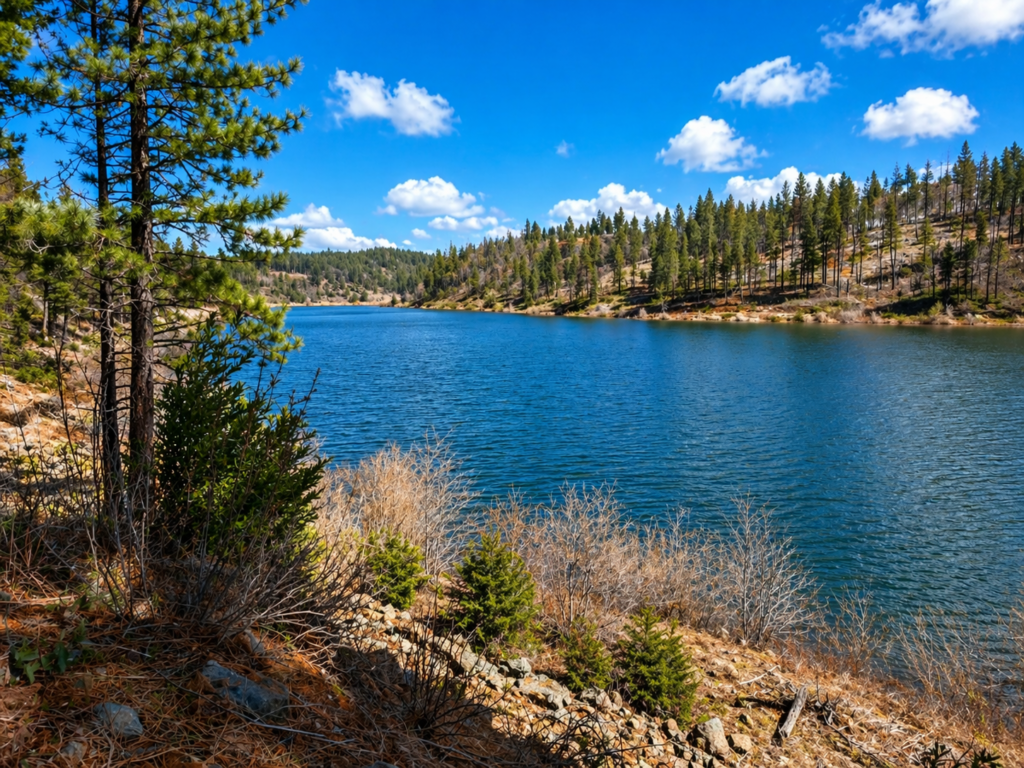
Paradise is an actual incorporated town, not a city, and it stays firmly in small-town territory: the 2020 Census counted 4,764 residents. It also stands out immediately for retirees because 40.9% of residents are 65 or older, one of the strongest senior shares on this list. On affordability, the numbers are solid by California standards. The median value of owner-occupied homes is $416,000, far below California’s statewide median of $734,700, while median gross rent is $1,241 versus $2,036 statewide. Homeownership is high at 74.8%, which suggests stability, and median owner costs without a mortgage are $727, useful for retirees living on fixed income. For someone seeking a genuinely small town with a large retirement-age population, Paradise is one of the clearest fits in California.
2. Yucca Valley
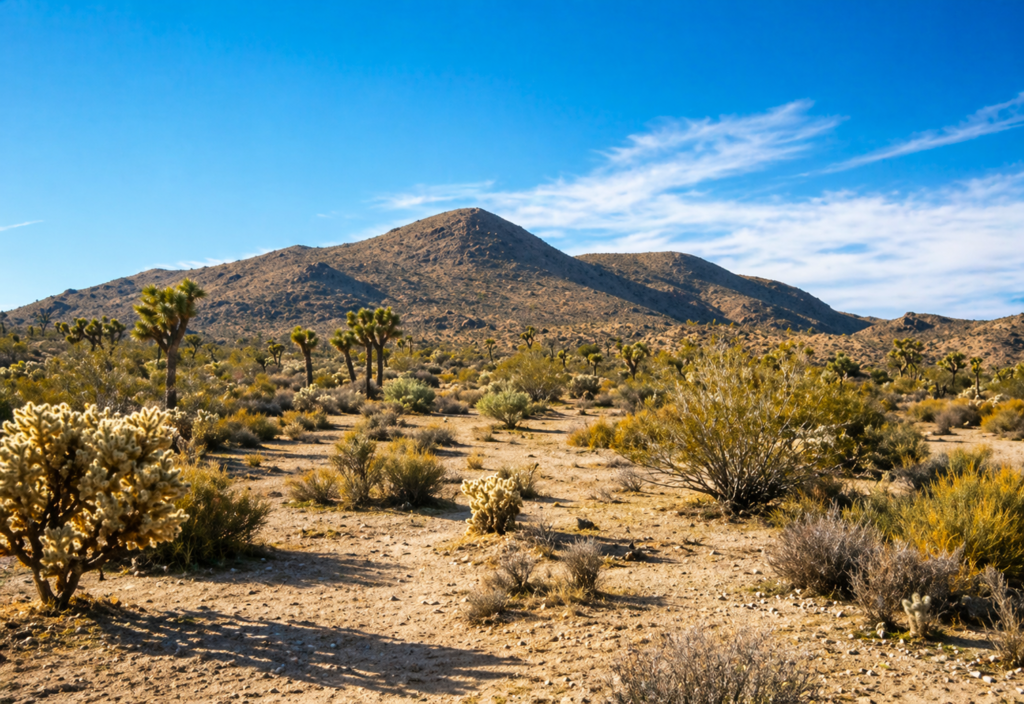
Yucca Valley is also an incorporated town, and it offers one of the best affordability profiles here. The town had 20,193 residents at the 2020 Census, so it remains town-sized rather than metropolitan. Retiree relevance is clear in the age mix: 20.9% of residents are 65 or older. Housing is where it becomes especially compelling. The median owner-occupied home value is $363,400, less than half the California statewide median, and median gross rent is $1,428, also well below the state figure. Median monthly owner costs without a mortgage are only $645, which matters for older adults trying to keep recurring expenses predictable. Another useful sign is stability: 88.1% of residents lived in the same house one year earlier. That combination of modest housing costs, small scale, and older population makes Yucca Valley a practical retirement town.
3. Apple Valley
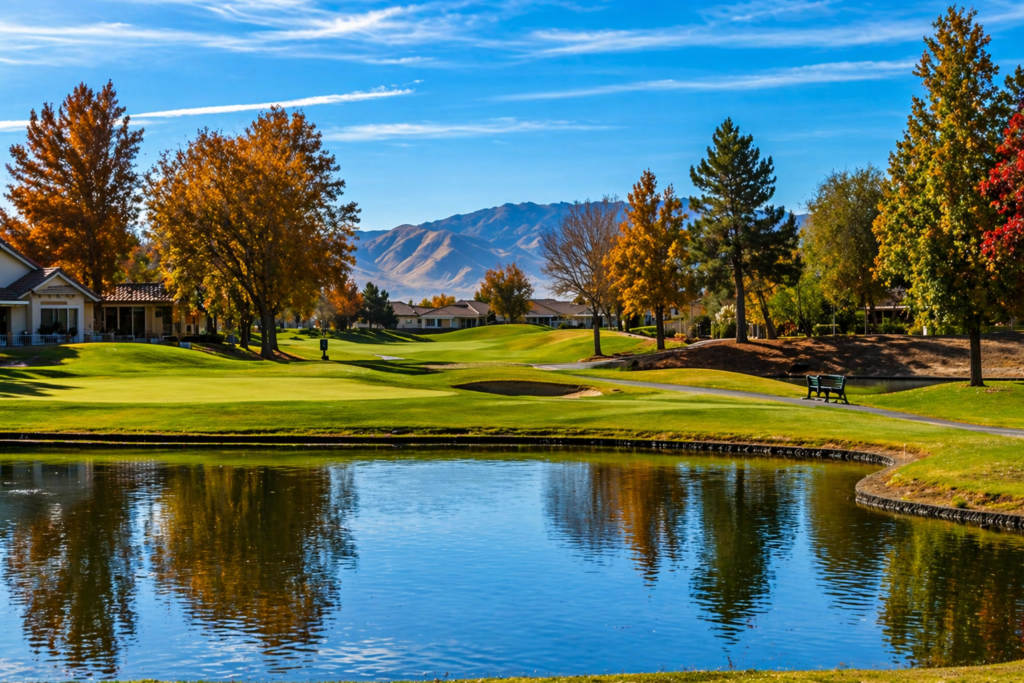
Apple Valley is a larger town, but it is still legally a town, not a city, and it remains affordable relative to California overall. The 2020 Census counted 75,791 residents, so it is bigger than places like Paradise or Loomis, yet still works for retirees who want a suburban desert town rather than an expensive urban center. The senior presence is meaningful: 18.4% of residents are 65 or older. Housing again helps its case. The median value of owner-occupied homes is $407,400, dramatically below the statewide median, and median gross rent is $1,444. Median monthly owner costs without a mortgage are $685, and the owner-occupied housing rate is 69.9%, both signs of a place where long-term residence is common. For retirees prioritizing lower housing costs, more space, and a non-city setting, Apple Valley is one of the strongest value plays in California.
4. Loomis
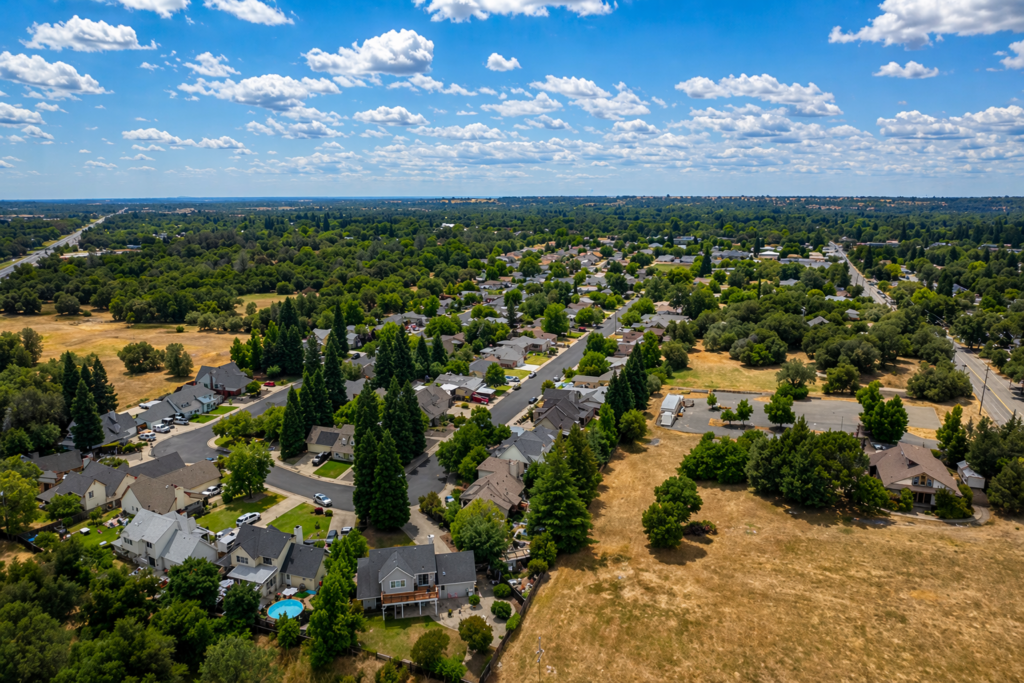
Loomis is another true incorporated town, and it gives retirees a small-population setting without pushing them into ultra-rural isolation. The town recorded 6,836 residents in the 2020 Census, which clearly keeps it in town territory. Its retiree appeal starts with demographics: 20.7% of residents are 65 or older. It is not as cheap as Paradise or Yucca Valley, but it still qualifies as affordable by California standards because its median owner-occupied home value is $634,500, below the statewide median of $734,700, and median gross rent is $1,702, also under the state median. Owner occupancy is especially high at 87.4%, and 91.1% of residents lived in the same house a year earlier, both signals of neighborhood stability. For retirees who want a quieter Sacramento-area base with a true town identity, Loomis deserves a place on the list.
5. Oakhurst
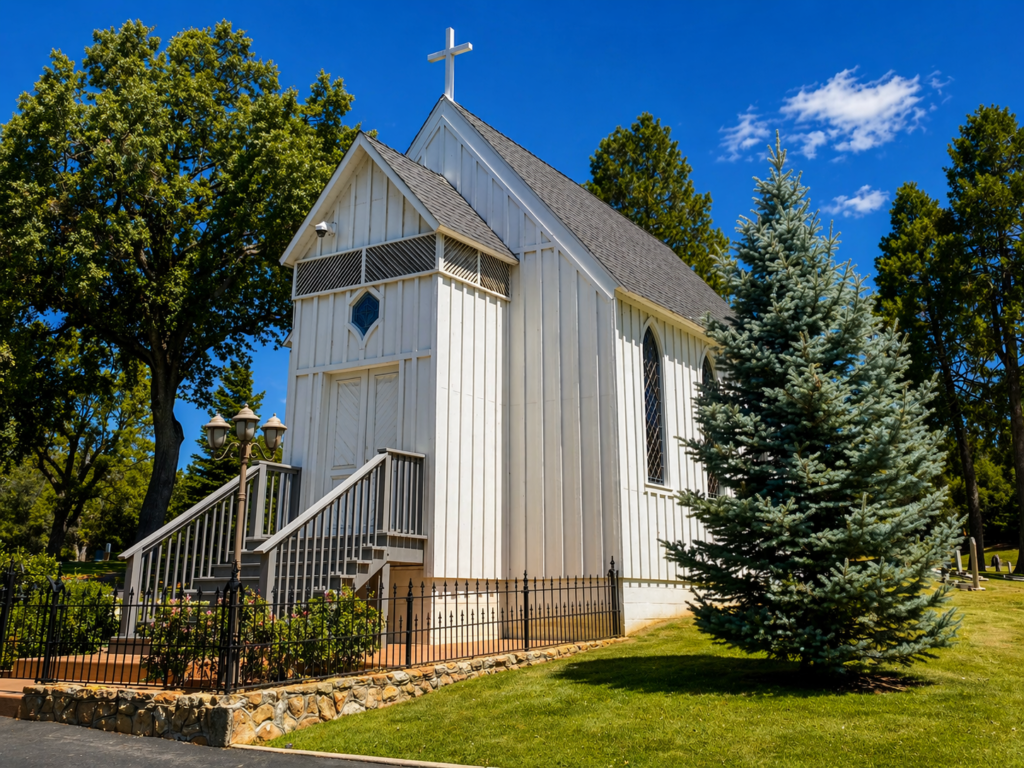
Oakhurst is not an incorporated city at all; it is a Census-designated place, which actually strengthens its case as a true town-like community rather than a city. The 2020 Census counted 5,868 residents. It looks very retirement-friendly on the numbers. Residents 65 and older make up 27.2% of the population, and just 14.4% are under 18, which points to an older overall age profile. Housing costs are among the best in this article: the median owner-occupied home value is $392,600, and median gross rent is $1,728, both comfortably below California norms. Homeownership is high at 82.7%, and median owner costs without a mortgage are $774. For retirees who want a mountain-town setting with a genuinely small population and a large older cohort, Oakhurst stands out as one of California’s most defensible affordable options.
6. Fair Oaks
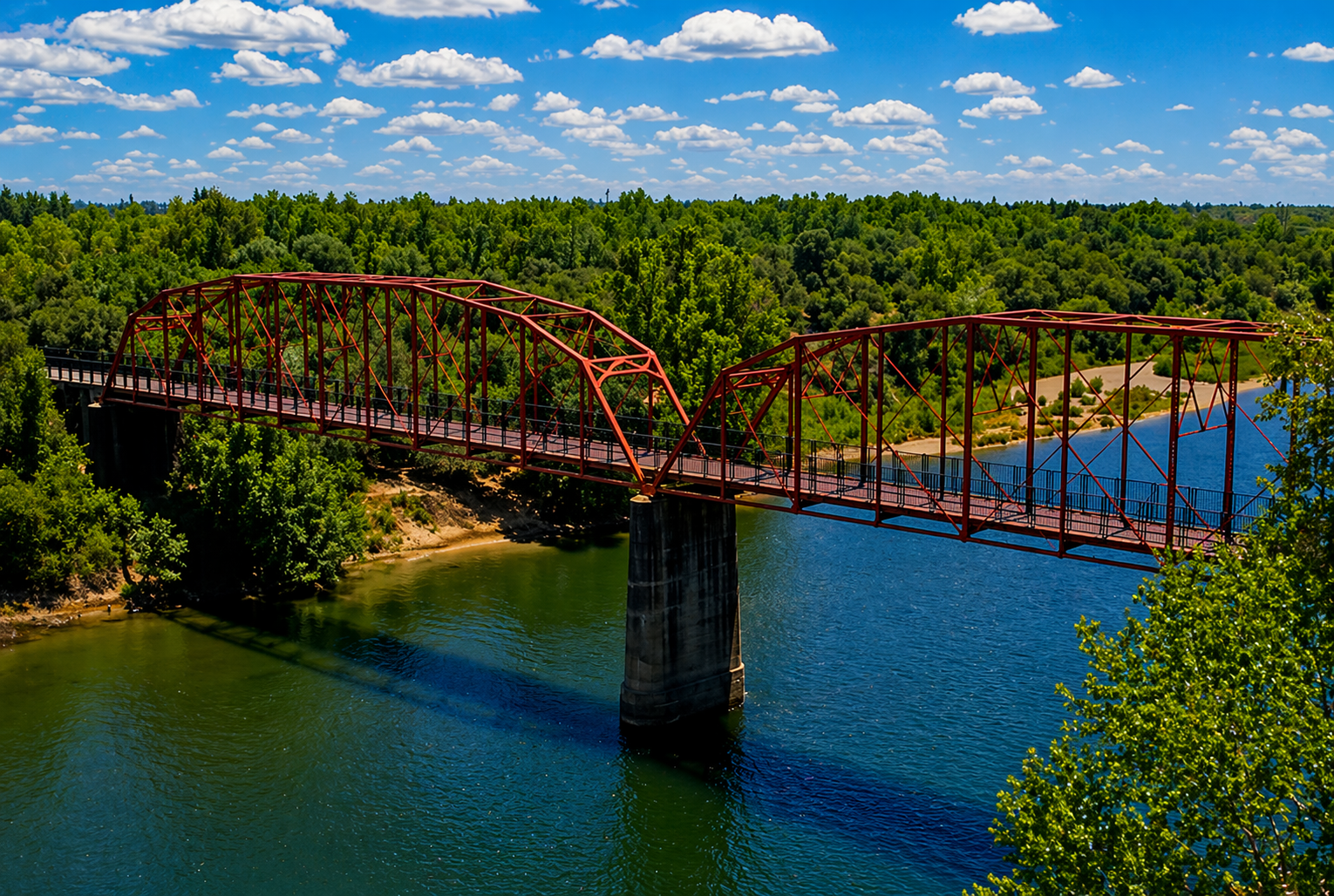
Fair Oaks is another Census-designated place rather than a city, which makes it a reasonable “town” choice for this kind of retirement list. The 2020 Census put its population at 34,466, so it is on the larger side, but still commonly treated as a town-scale community rather than a city center. It earns retiree attention because 25.1% of residents are 65 or older, one of the higher senior shares here. Affordability is more moderate than dramatic, yet still workable in California terms: the median owner-occupied home value is $683,000, below the statewide median of $734,700, and median gross rent is $1,910, also below the California median. Owner occupancy is 71.2%, and owner costs without a mortgage are $891. Retirees who want an older-skewing community with town character and Sacramento-area access should keep Fair Oaks in mind.
7. Cameron Park
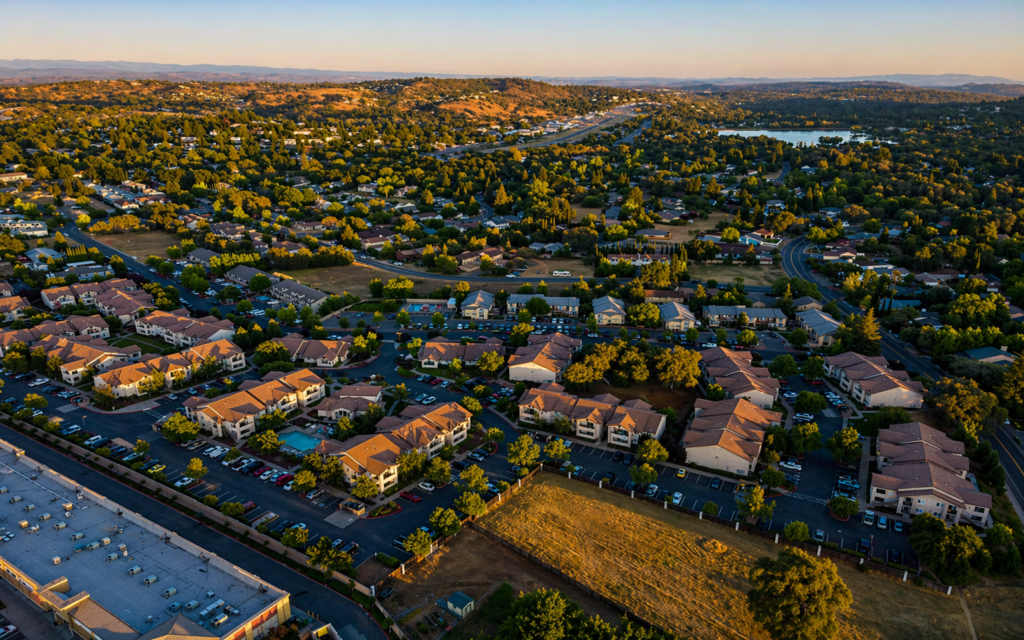
Cameron Park is also a Census-designated place, not a city, and it fits the “town for retirees” idea well because it stays below 20,000 residents; the 2020 Census counted 18,881 people. Its age profile is favorable, with 23.3% of residents age 65 and older, and the community shows strong signs of residential stability: 90.3% of residents lived in the same house one year earlier. Housing costs are not bargain-basement, but they still sit below California statewide levels. The median owner-occupied home value is $667,900, under the state median, and median gross rent is $1,806, again below the California figure. Owner occupancy is 66.7%, and median owner costs without a mortgage are $996. For retirees wanting a small, settled foothill community with lower-than-state-average housing costs, Cameron Park is a credible final pick.
