
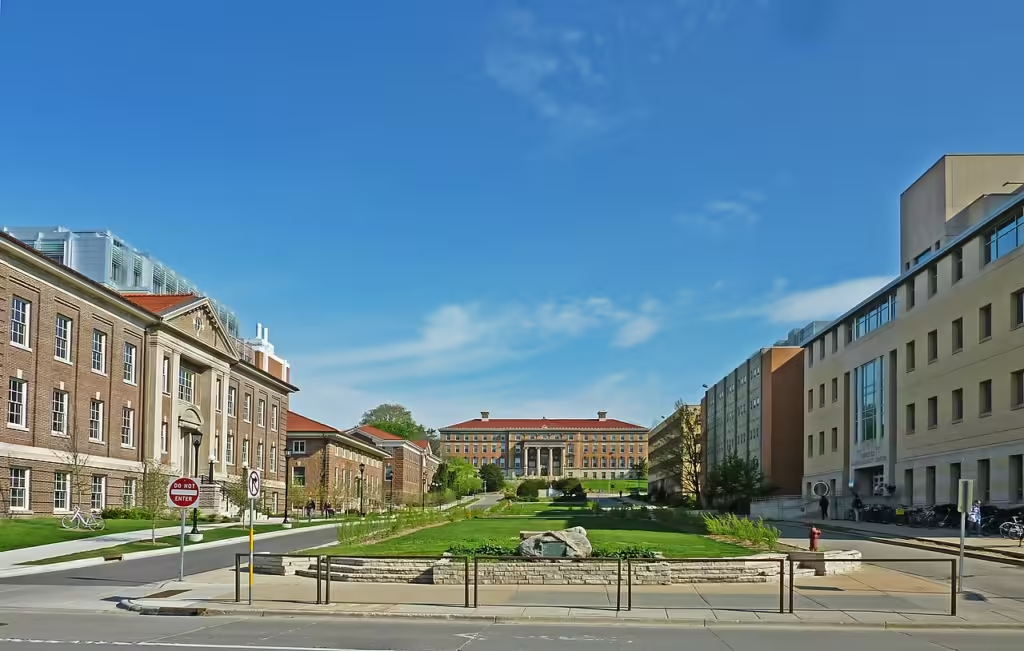
Retirement today looks very different than it did a generation ago. People aren’t just looking for quiet places—they want affordability, healthcare access, culture, and daily engagement. Across the U.S., many towns meet those criteria, especially smaller communities where living costs remain manageable and services are accessible. One category stands out more than most: college towns. These places combine the infrastructure of education hubs with the charm of smaller populations. They often offer top-tier hospitals, public transit, walkable centers, and lifelong learning opportunities. Add in cultural events, libraries, and a steady flow of new ideas, and you get a setting that keeps retirees mentally and socially active. Below are seven iconic college towns that consistently deliver.
1. Ann Arbor, Michigan (University of Michigan)

Ann Arbor is a classic college town built around the University of Michigan, which enrolls over 50,000 students and anchors the local economy. The city itself has a population of roughly 120,000, keeping it firmly in “town” territory despite its national reputation. Median home prices hover around the mid-$400,000 range, higher than average, but offset by strong healthcare access through Michigan Medicine, one of the top-ranked hospital systems in the U.S. The percentage of residents aged 65+ is about 13%, reflecting a balanced demographic mix. Retirees benefit from extensive public transit, over 150 parks, and access to university lectures and cultural events—key reasons college towns consistently rank high for retirement livability.
2. Chapel Hill, North Carolina (UNC Chapel Hill)
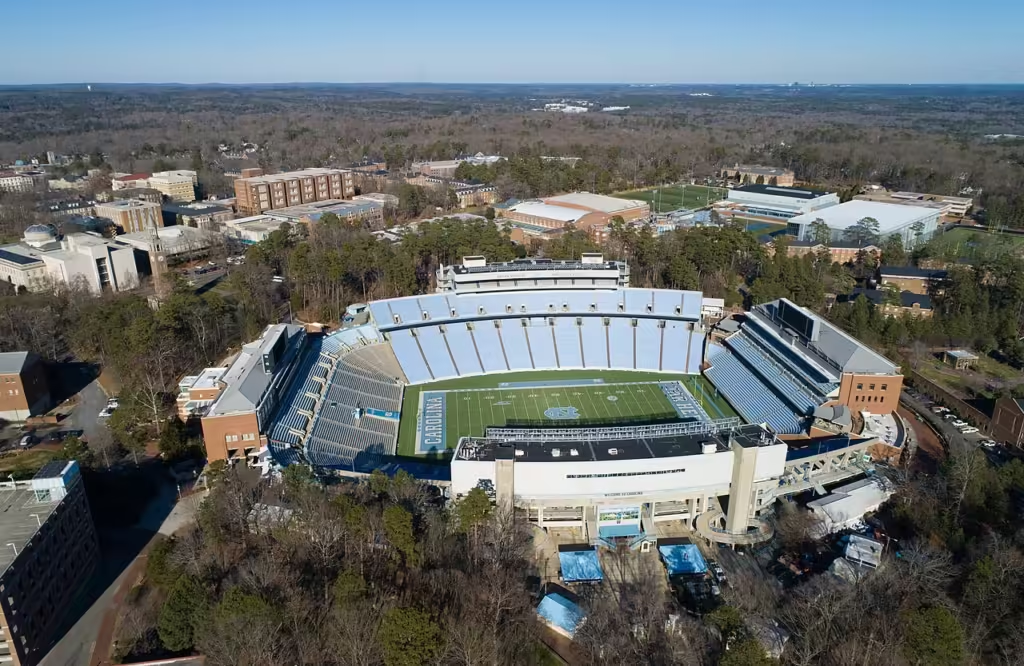
With a population of about 60,000, Chapel Hill is a true college town centered on the University of North Carolina at Chapel Hill. The university drives both the local economy and healthcare, with UNC Health providing nationally recognized medical services. The median age is around 25 due to the student population, but retirees are drawn by the mild climate and relatively moderate housing costs compared to larger metros nearby. Around 10–12% of residents are 65+, and the area consistently ranks high for quality of life. Walkability, free bus transit, and a strong arts scene make daily life convenient and engaging, aligning with why college towns offer both affordability and access to amenities.
3. Boulder, Colorado (University of Colorado Boulder)

Boulder has a population of roughly 105,000 and is home to the University of Colorado Boulder, enrolling over 35,000 students. While housing costs are high (median home values often exceed $800,000), retirees are drawn to its outdoor lifestyle, with over 300 miles of hiking and biking trails. Healthcare access is strong, and the town consistently ranks among the healthiest in the U.S. Around 13% of residents are over 65, and the city scores highly for safety and environmental quality. Despite higher costs, Boulder’s combination of academic resources, outdoor recreation, and cultural offerings makes it one of the most desirable college towns for active retirees.
4. Madison, Wisconsin (University of Wisconsin–Madison)

Madison blends a mid-sized population (around 280,000) with a strong college-town identity anchored by the University of Wisconsin–Madison, which enrolls more than 45,000 students. The city regularly ranks among the best places to retire due to affordability relative to coastal markets and excellent healthcare systems like UW Health. About 12–14% of residents are 65+, and the cost of living remains close to the national average. Madison offers over 200 miles of biking trails, a highly walkable downtown, and a vibrant cultural calendar tied to the university. Its consistent ranking in retirement studies reflects the balance of healthcare, recreation, and intellectual engagement.
5. Athens, Georgia (University of Georgia)
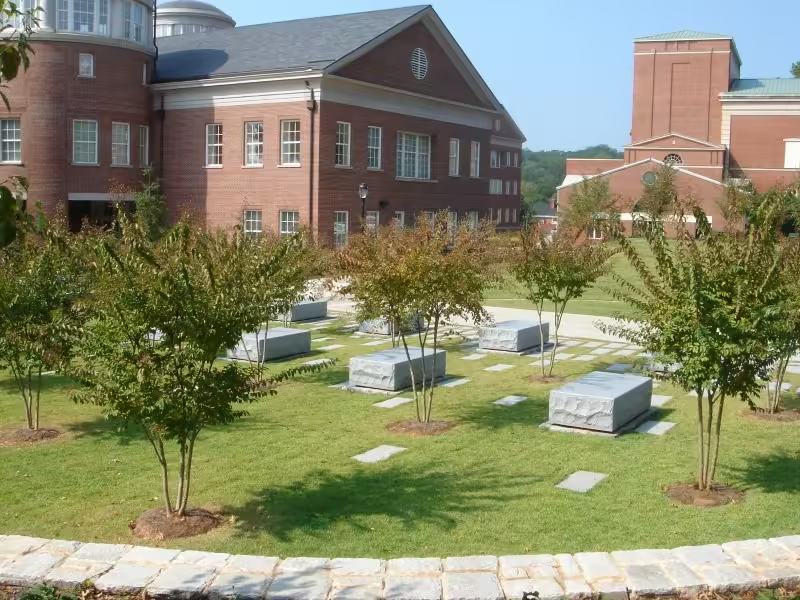
Athens has a population of about 125,000 and revolves around the University of Georgia, one of the oldest public universities in the country. The cost of living is notably lower than the national average, with median home prices often below $350,000. Around 11–13% of residents are over 65, and the town has a growing retiree population attracted by affordability and climate. Healthcare access is solid, with regional medical centers serving the area. Athens also offers a strong arts and music scene, frequent university events, and a walkable downtown. These factors align with broader data showing college towns provide both cultural engagement and financial practicality for retirees.
6. Eugene, Oregon (University of Oregon)

Eugene, with a population of about 175,000, is home to the University of Oregon and offers a balance between small-town feel and urban amenities. The median home price typically falls in the $450,000–$500,000 range, and about 15% of residents are aged 65 or older, higher than many college towns. The presence of PeaceHealth Sacred Heart Medical Center ensures strong healthcare access. Eugene is known for its outdoor lifestyle, including proximity to mountains, rivers, and the Pacific coast. Retirees benefit from a strong public transit system, farmers markets, and community programs tied to the university, reinforcing why college towns often deliver both lifestyle and healthcare advantages.
7. Bloomington, Indiana (Indiana University)
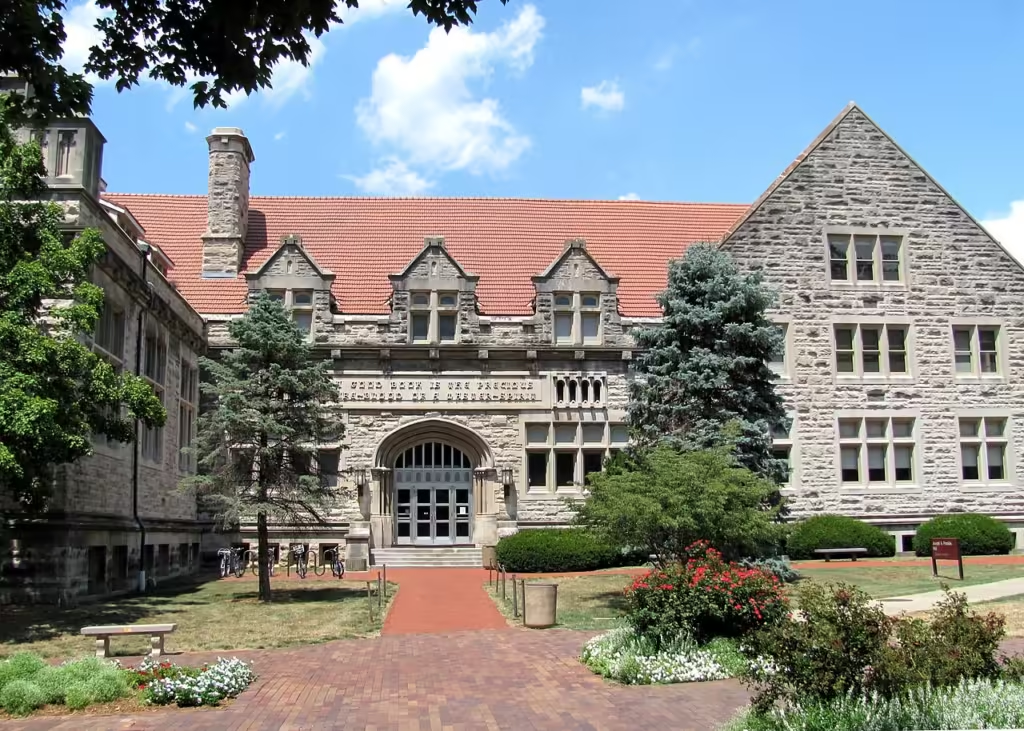
Bloomington is a smaller college town with a population of around 80,000, centered on Indiana University, which enrolls over 45,000 students. The cost of living is below the national average, with median home prices often under $300,000, making it one of the more affordable options on this list. About 10–12% of residents are 65+, and the town has a growing retiree-friendly infrastructure. IU Health Bloomington Hospital provides strong medical services, while the university contributes cultural amenities like theaters, concerts, and lifelong learning programs. Its size, affordability, and access to education make Bloomington a standout example of how college towns meet retirees’ practical and lifestyle needs.
